Wondering whether your next Boston condo should be in South Boston or the Seaport? You are not alone. Both offer waterfront access and urban energy, but the feel, buildings, and day-to-day rhythm are very different. In this guide, you will learn how each area lives, what kinds of condos you will see, how transit and parking compare, and what fees and flood factors to consider. Let’s dive in.
Quick neighborhood snapshot
The Seaport is the South Boston Waterfront, a newer district of glass towers, civic anchors, and destination dining clustered along Fan Pier and the HarborWalk. The Boston Planning & Development Agency defines it within the South Boston Waterfront planning area, which highlights major mixed-use projects and public spaces like Fan Pier and Seaport Square. You can explore that planning context in the BPDA’s at‑a‑glance overview of the area. See BPDA’s South Boston Waterfront overview.
South Boston, known locally as Southie, is the long-settled residential neighborhood on the peninsula to the south and east of the Seaport. It centers on East and West Broadway commercial corridors and extends to City Point. The City’s climate and neighborhood materials treat both areas as part of the broader South Boston peninsula. View the City’s South Boston focus area.
Two planning realities shape buyer decisions here:
- The Seaport grew rapidly in the 2010s, driven by large projects, the BCEC, and civic anchors like the ICA. Ongoing planning and redevelopment continue to shape streets, parks, and future housing uses.
- Much of the South Boston Waterfront is low‑lying, and the City has identified significant coastal flood exposure in the area. Resilience work remains an active focus. Review Climate Ready Boston’s findings.
Housing styles and amenities
Seaport condo experience
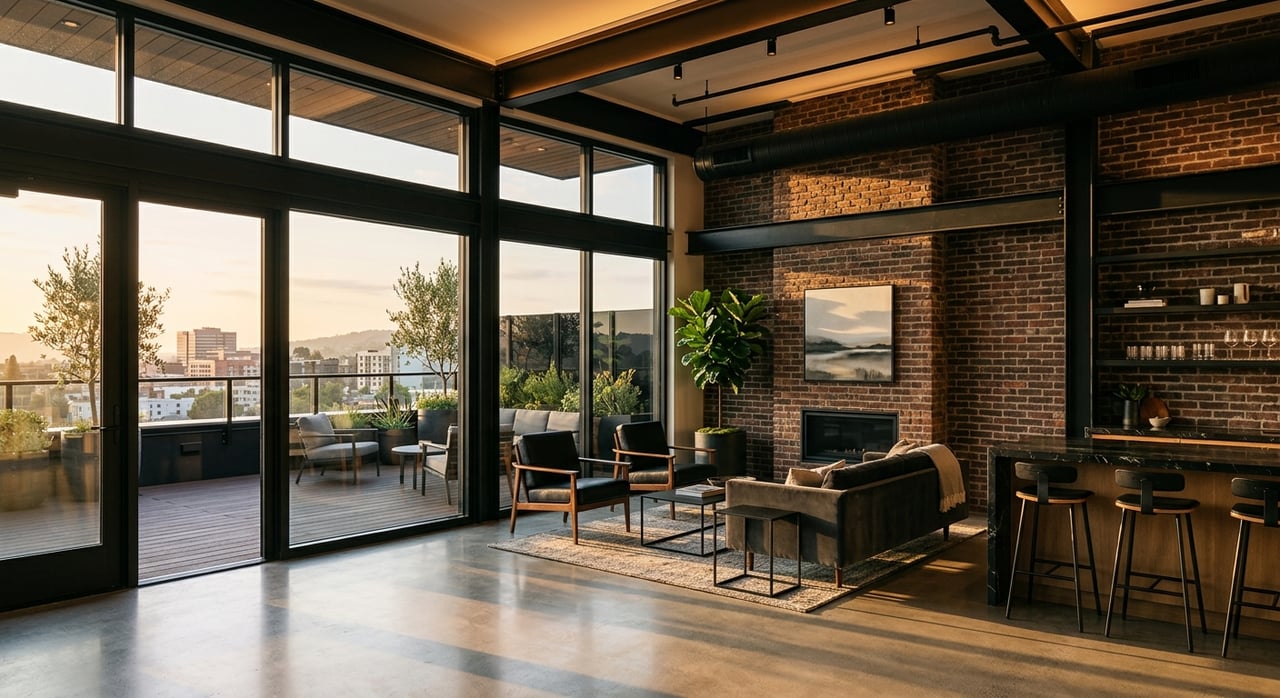
If you want high-rise living and hotel-style services, the Seaport is designed for you. Most buildings date from the 2000s to today and feature mid- to high‑rise glass construction, large window walls, and amenity suites. Expect concierge, fitness centers, lounges, and in many cases pools, valet, and expansive indoor-outdoor decks. For a sense of the full‑service model, review the amenities at EchelonSeaport. Explore EchelonSeaport’s amenity list.
Unit mixes skew to compact one- to three‑bed residences, often with harbor or skyline views. Parking is typically garage or valet and can carry a premium. Resale activity commonly includes multi‑million‑dollar outcomes for larger and higher‑floor homes.
South Boston condo experience
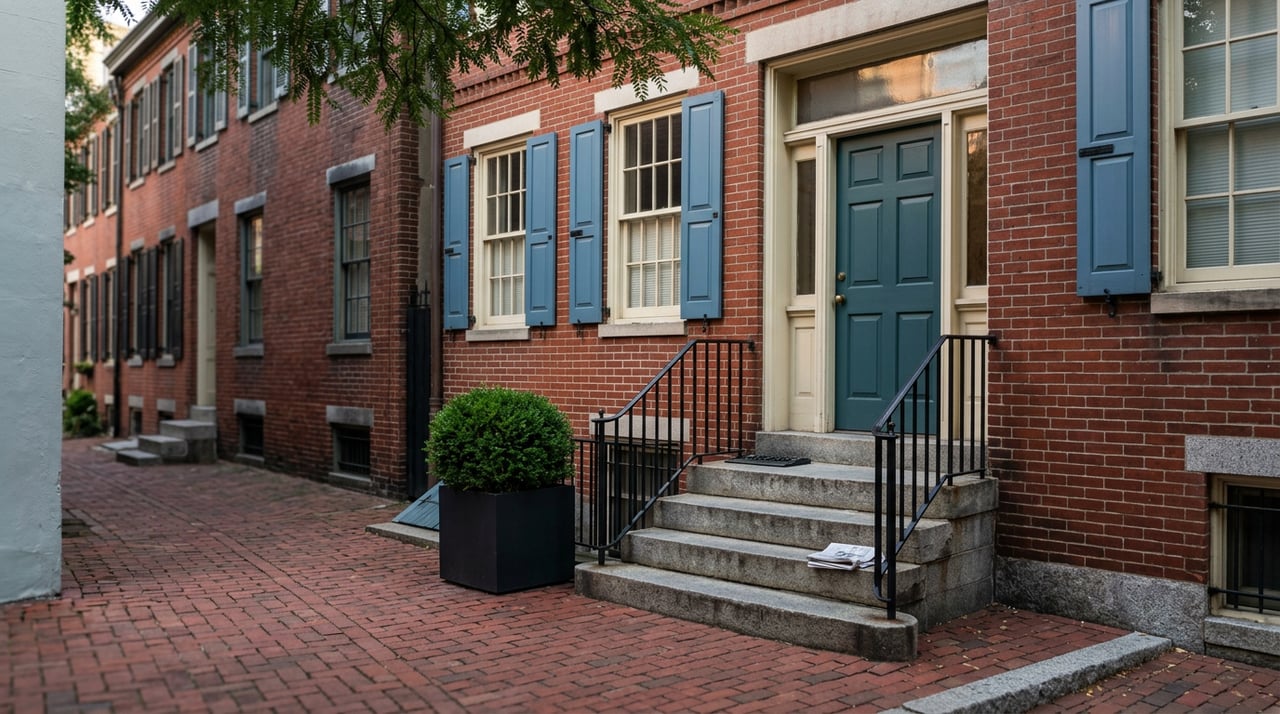
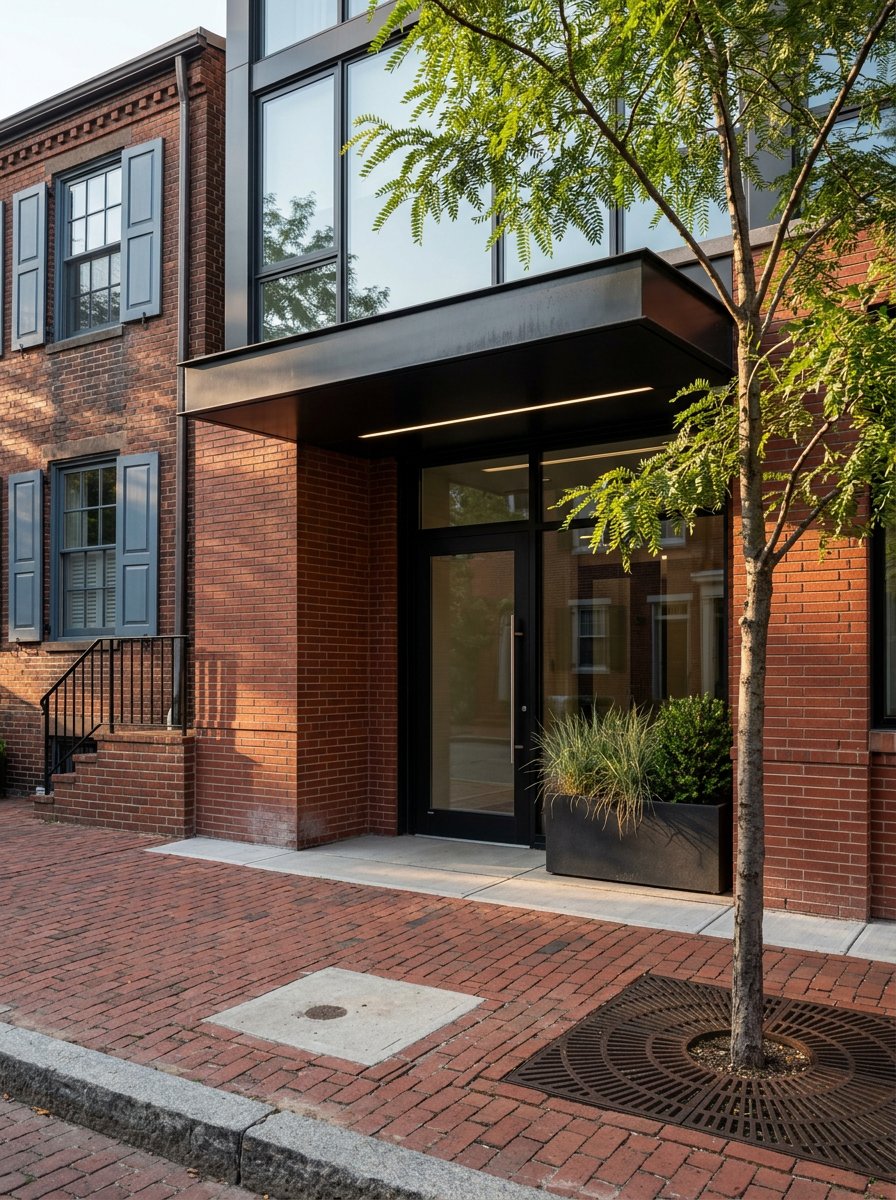
South Boston offers more varied housing stock at a more human scale. You will see brick rowhouses, triple‑decker conversions, former schoolhouse lofts, and townhouse‑style condos. Infill mid‑rise developments have also arrived near Broadway and City Point. Older buildings tend to have fewer shared amenities, which can mean lower monthly association fees compared with full-service towers. See the City’s South Boston neighborhood overview.
You will find everything from efficient studios to multi‑bedroom homes with outdoor space. Deeded parking exists in some conversions and townhouses, while street parking varies block to block.
HOA fees and monthly costs
Seaport towers often charge higher HOA fees to support doormen, valet, pools, and on‑site staff. Those services add comfort and convenience, but they are material to your monthly budget. South Boston associations are typically lighter on amenities, which can reduce carrying costs, but you trade away hotel‑style services. For a reference point on how amenities stack up in luxury towers, scan a Seaport building’s feature list. Review a Seaport tower amenity suite.
Day-to-day life: walkability, dining, recreation
Walkability and neighborhood feel
Both areas are walkable by Boston standards. City planning documents point to strong pedestrian access across South Boston and the waterfront, though exact Walk Score numbers vary by block and source. See the City’s walkability context.
The difference is in feel. South Boston reads like a classic neighborhood of local shops and everyday services along East and West Broadway. The Seaport reads like a destination district, with wide promenades, event venues, and clusters of restaurants tied to the HarborWalk and Fan Pier. Neither is better. It is about which daily rhythm you want.
Dining and culture anchors
The Seaport concentrates dining and cultural attractions. The Institute of Contemporary Art sits on Fan Pier and offers a helpful primer for public transit and water taxi access if you are visiting. Check ICA directions and transit tips. Steps away, Fan Pier Park connects you to skyline views and the HarborWalk. See Fan Pier Park’s waterfront setting.
South Boston stands out for outdoor recreation within the city. Carson Beach, M Street Beach, Castle Island, and Joe Moakley Park give you miles of shoreline and green space. Seasonal services and access details are managed by DCR. Review DCR’s waterfront services.
Getting around and parking
Transit options
- Seaport: Primary service comes from the MBTA Silver Line at Courthouse and World Trade Center, which connects you to South Station and Logan via SL1. The Silver Line runs in a dedicated tunnel for parts of the route, but it is a bus rapid transit service, not heavy-rail subway. Water taxi and ferry options add flexibility. The ICA’s visitor page outlines real‑world directions that mirror how residents move through the area. See ICA directions for Silver Line and water taxi. You can also reference the state’s multimodal map to understand connections. View the MBTA multimodal map.
- South Boston: The Red Line serves the neighborhood at Broadway and Andrew stations, with a network of bus routes covering the interior. That gives you direct rail access downtown and easy transfers toward Cambridge. See the City’s station references in South Boston.
Driving and parking
Parking is tighter and pricier in the Seaport. Many buildings include garage or valet options at a premium, and visitor parking is limited during peak hours and events. In South Boston, parking varies widely. Some condos include deeded spaces; others rely on resident street parking where local rules apply. For a sense of how full‑service buildings handle vehicles, review a Seaport tower’s parking notes. Scan a Seaport building overview.
Biking and micromobility
The Seaport and waterfront have seen recent upgrades for protected lanes and shared mobility, and Bluebikes stations are present in and around the district. South Boston’s flatter streets and HarborWalk access also make biking a practical short‑commute option. For planning context on the waterfront’s public realm, check BPDA’s at‑a‑glance materials. Read the South Boston Waterfront overview.
Price patterns and buyer fit
Market signals to frame expectations
Newer, luxury waterfront supply in the Seaport commands higher price‑per‑square‑foot outcomes, especially in amenity‑rich towers and top‑floor residences. South Boston shows a wider spread in pricing across older conversions, family‑sized condos, and newer infill buildings. For context on Boston’s luxury tower dynamics, the Boston Globe’s coverage outlines how high‑end inventory clusters and performs. Read Boston Globe’s tower market context.
Exact prices change quickly by building, view, floor, and finish level. When you compare options, weigh HOA fees, parking costs, and potential flood insurance or resiliency investments alongside the list price.
Who each area tends to fit
- Seaport: Best if you want brand‑new finishes, full‑service amenities, dining on your doorstep, and a lock‑and‑leave lifestyle. Corporate transferees, frequent travelers, and downsizers who prefer hotel‑style living often start here. See a representative amenity package.
- South Boston: Best if you want a strong neighborhood feel, a range of unit sizes and styles, and ready access to beaches and parks. Many buyers choose South Boston to secure more space for the budget and to live closer to Broadway’s local shops. Review the City’s South Boston overview.
Side‑by‑side condo cheat sheet
| Factor | Seaport (South Boston Waterfront) | South Boston (Residential) |
|---|---|---|
| Building era | 2000s–2020s towers and boutique new builds | Historic rowhouses, triple‑deckers, mix of conversions and infill |
| Amenities | Full‑service common areas, pools, concierge, valet | Limited shared amenities; lower HOA in many cases |
| Typical units | 1–3 beds, big windows, harbor/skyline views | Studios to multi‑bed townhomes, more variety in layouts |
| Transit | Silver Line to South Station and Logan; ferries/water taxi | Red Line at Broadway/Andrew; bus network |
| Parking | Garage/valet at a premium | Varies by building; some deeded, much resident street parking |
| Outdoor access | HarborWalk, Fan Pier Park, ICA | Carson Beach, M Street Beach, Castle Island, Moakley Park |
| Flood considerations | Higher coastal exposure identified by City | Varies by location; check property specifics |
| Vibe | Destination district, events and dining clusters | Neighborhood streets, local shops, strong community feel |
How to choose your fit
Use a simple decision path:
Define budget with fees included. Price the home and include HOA, parking, and potential flood insurance or resiliency assessments. Full‑service towers carry higher operating costs.
Map your commute in real time. Walk the route, ride the Silver Line or Red Line during your usual hours, and test drive times. Use the MBTA multimodal map to understand connections. See the MBTA multimodal map.
Match lifestyle to your routine. If you want restaurants and waterfront events outside your door, the Seaport delivers. If you want beaches, parks, and a local main street, South Boston makes daily life easy. For cultural and dining context, review the ICA’s location and access details. Check ICA directions.
Right-size space. Decide how much square footage and outdoor space you need now and in three to five years. South Boston often offers more space per dollar; Seaport offers newer construction and amenity value.
Ask resilience questions early. The City highlights coastal flood exposure for parts of the waterfront. Ask about FEMA flood zones, mechanical placement, floodproofing, and backup power before you write an offer. Review Climate Ready Boston’s South Boston focus.
Ready to compare listings on the ground and weigh monthly costs with a clear plan? Connect for a tailored tour of both neighborhoods and a data‑driven pricing brief. With high‑touch guidance and smart presentation, you can buy with confidence in either market. Reach out to Joe DeAngelo - New Website - SoWa to get started.
FAQs
Is the Seaport “on the T,” and how do I get around?
- The Seaport is served by the MBTA Silver Line at Courthouse and World Trade Center, which connects to South Station and Logan via SL1; it is bus rapid transit, not heavy‑rail subway. Water taxis and ferries add options. See the MBTA multimodal map and ICA directions.
Are waterfront condos in the Seaport and South Boston at risk of flooding?
- The City identifies significant coastal exposure for parts of the South Boston Waterfront. Always check a property’s FEMA flood zone, the building’s resiliency design, and local planning efforts. Review the City’s South Boston climate focus.
How does parking compare between Seaport and South Boston condos?
- Seaport buildings often include garage or valet parking at a premium. In South Boston, parking varies widely by building and block, with some deeded spots and regulated street parking. Scan a Seaport building’s parking approach.
How walkable are South Boston and the Seaport for daily errands?
- Both areas are considered walkable by City planning materials, though the Seaport’s attractions cluster along the HarborWalk while South Boston centers on East and West Broadway. See the City’s walkability context.
Where are the closest beaches and waterfront parks if I buy in South Boston?
- Carson Beach, M Street Beach, and Castle Island are major neighborhood draws, with seasonal services managed by DCR. In the Seaport, Fan Pier Park and the HarborWalk provide waterfront green space and views. Review DCR’s waterfront services and see Fan Pier Park.