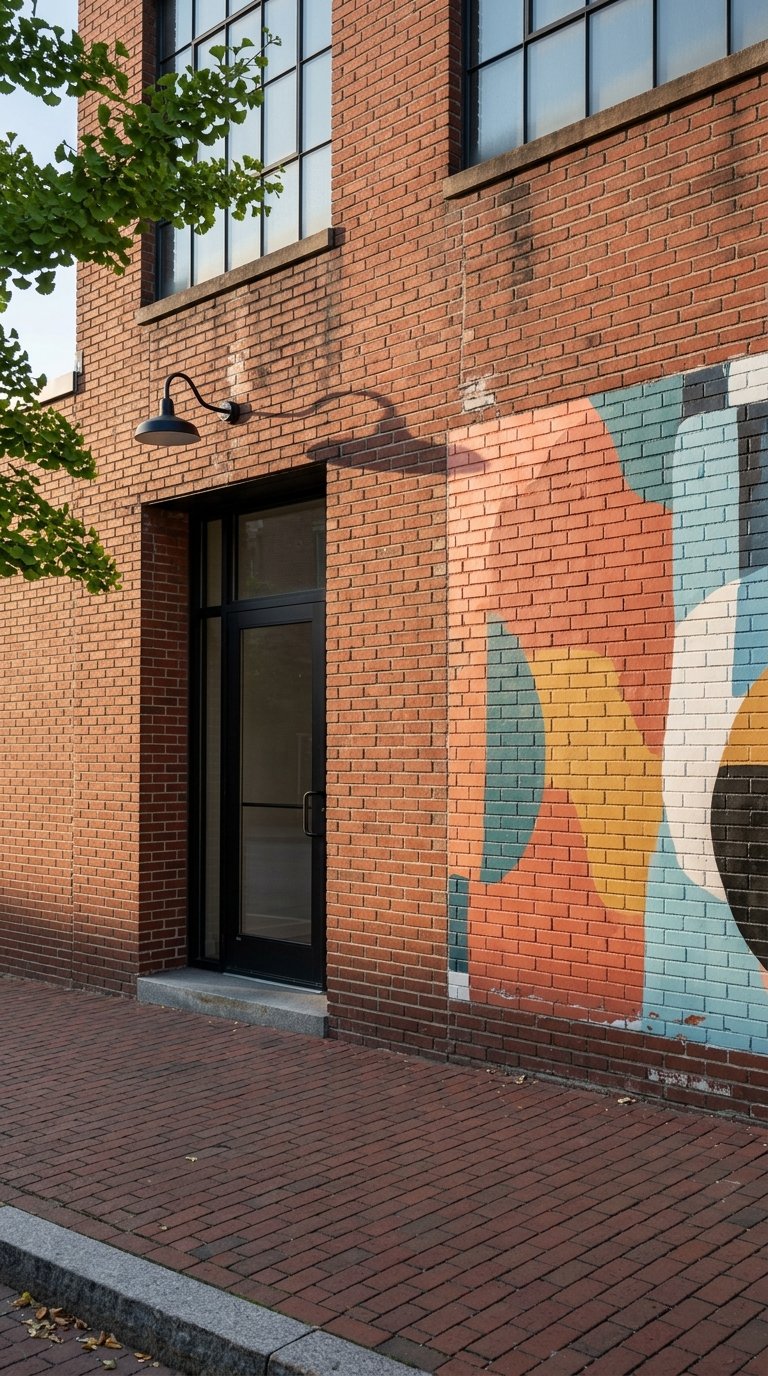
Curious what it’s really like to live in SoWa? If you love the idea of loft living, walkable city convenience, and a neighborhood shaped by art and design, SoWa stands out in a way few Boston areas do. For buyers and sellers alike, understanding what makes this pocket of the South End different can help you make a smarter move. Let’s take a closer look.
What SoWa Means in Boston
SoWa stands for South of Washington, and it sits within Boston’s South End. The district is centered around Harrison Avenue, Thayer Street, and the 500 Harrison complex, giving it a distinct identity inside one of central Boston’s most recognized neighborhoods.
That location matters. You get the creative energy of SoWa along with the broader South End context, which Boston planning materials describe as the city’s largest Victorian residential district. You are also minutes from Downtown and Back Bay, which adds everyday convenience to the neighborhood’s character.
Why SoWa Feels Different
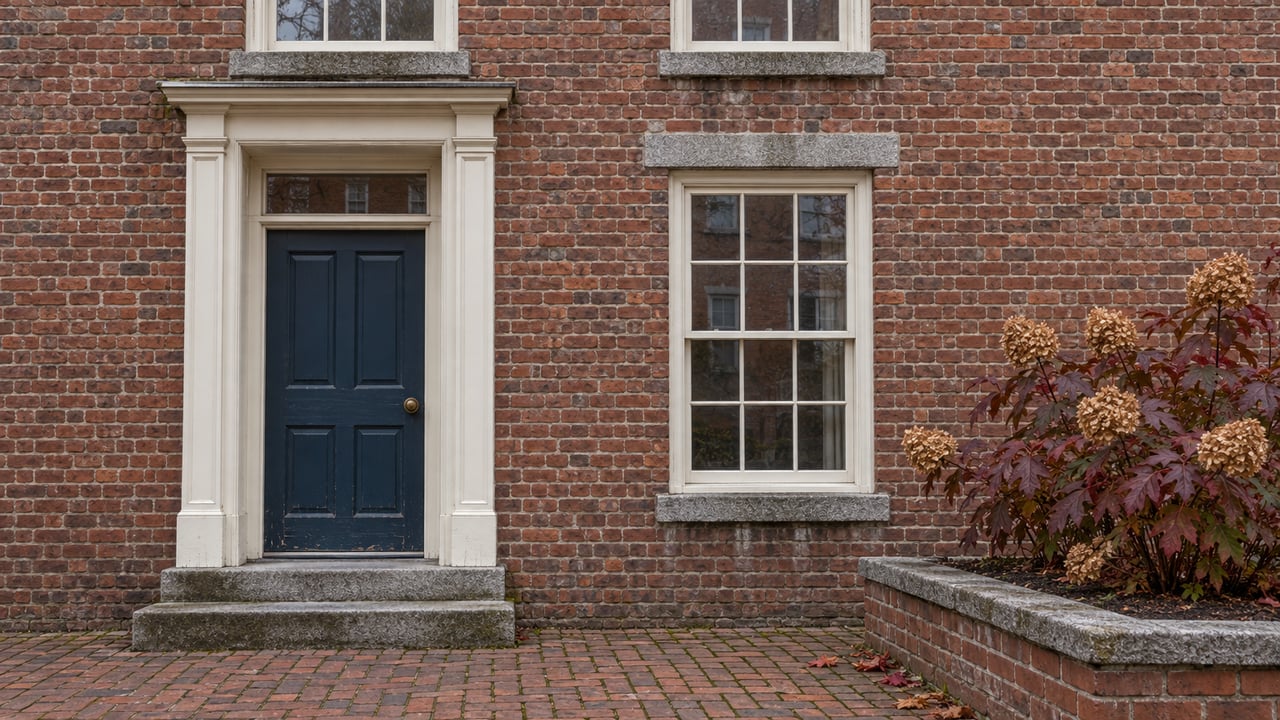
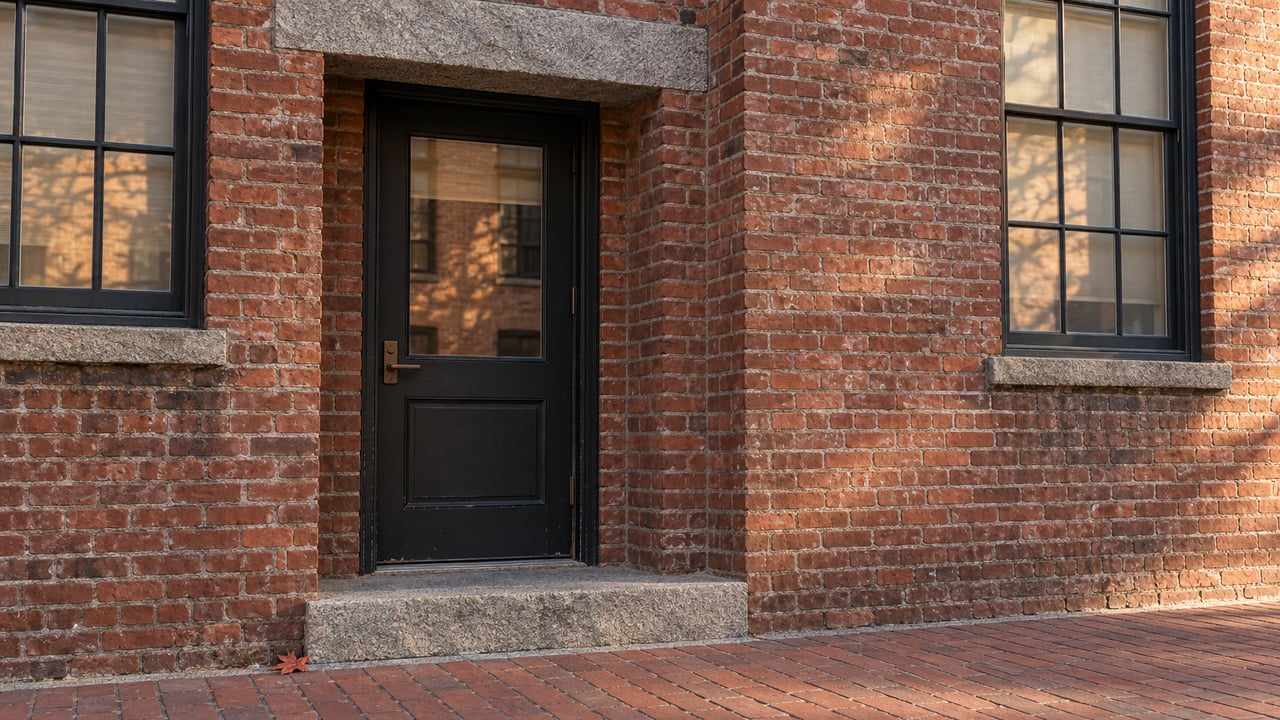
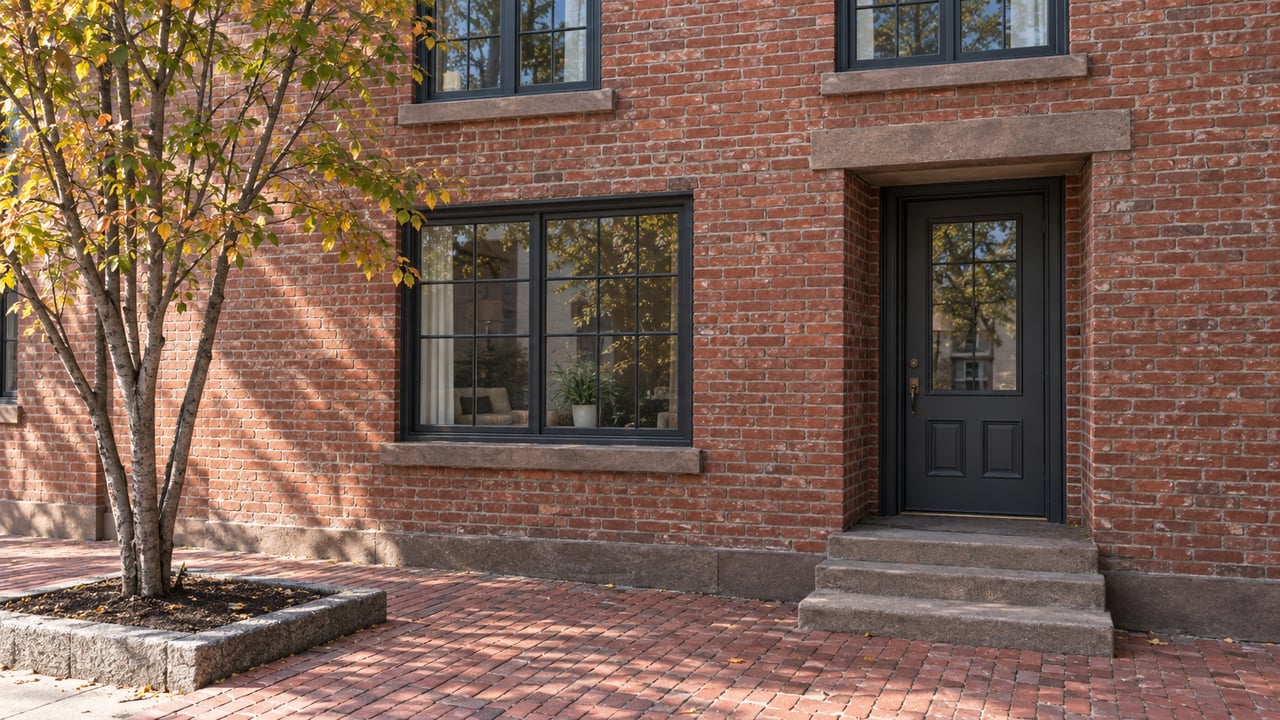
SoWa has a different rhythm than many other parts of the South End. Instead of being defined mainly by classic rowhouses, it is known for renovated industrial buildings, working artist spaces, galleries, and design showrooms.
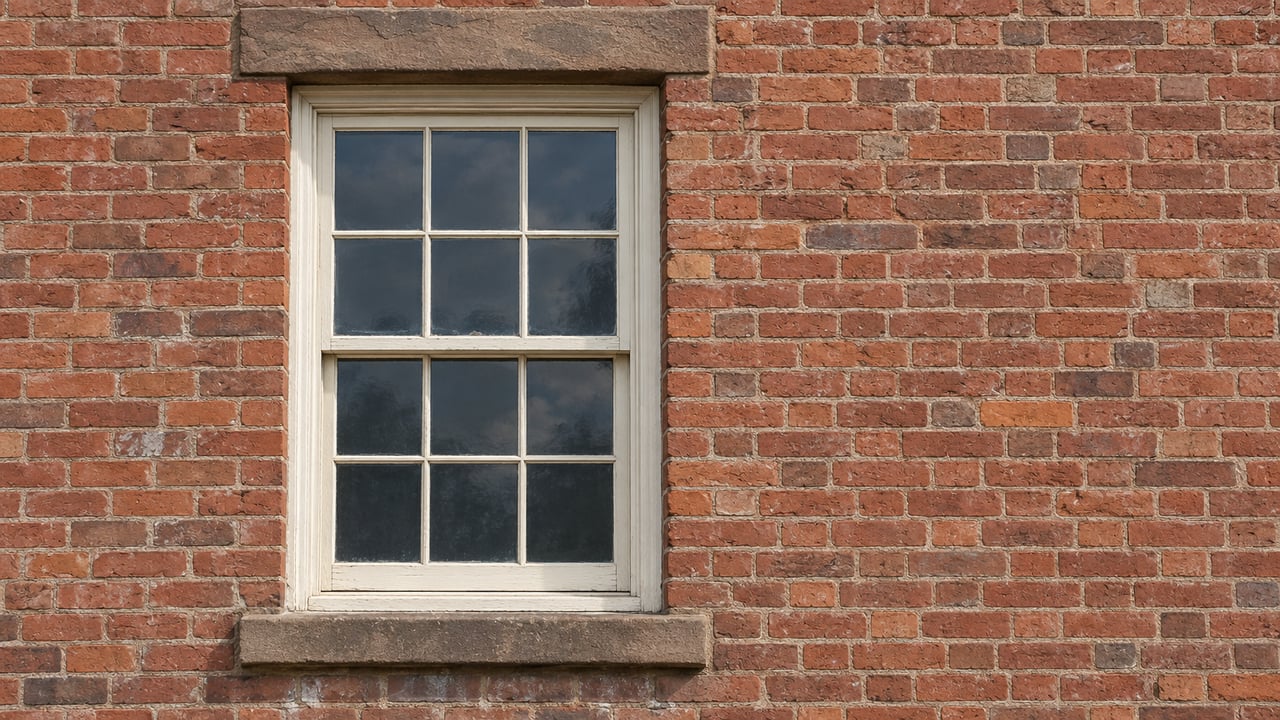
That mix gives the area a strong visual identity. You see brick-and-beam buildings, repurposed warehouse spaces, and ground-floor retail with residences above, which creates a live-work-feel even for people who simply want a stylish home base in the city.
SoWa Homes and Loft Living
If you are considering buying in SoWa, the housing stock is one of the first things to understand. The area is especially known for loft-style apartments in converted 19th-century factory and warehouse buildings.
These homes often feature details that appeal to buyers who want character without giving up comfort. Common features described in local property materials include high ceilings, exposed brick, hardwood floors, custom cabinetry, granite countertops, and stainless or Bosch appliances.
In the current local portfolio, homes range from studios to three-bedroom layouts, with sizes roughly between 750 and 2,000 square feet. Some residences also offer outdoor space and city views, which can be a major draw for buyers looking for an urban home with a little extra breathing room.
What Buyers Should Expect
SoWa living tends to attract buyers who want something more design-forward than a standard condo layout. Industrial-chic finishes, larger open spaces, and mixed-use settings are all part of the appeal.
If you are comparing SoWa to other South End options, it helps to think about your lifestyle. Buyers who value architecture, creative surroundings, and easy access to dining and transit often find this area especially compelling.
Arts and Design Shape Daily Life
SoWa is not just near art. It is built around it. The district includes more than 20 galleries within a two-block radius around 450 and 460 Harrison Avenue, creating one of the most concentrated arts pockets in Boston.
That creative density shows up in everyday life. You are surrounded by galleries, artist studios, showrooms, and independent businesses, which makes the neighborhood feel active and distinctive even on a simple walk to coffee or dinner.
First Fridays and Studio Culture
One of SoWa’s signature traditions is First Fridays, when artists, galleries, shops, and showrooms open from 5 to 9 p.m. on the first Friday of each month. For residents, that means the neighborhood regularly comes alive with a built-in evening event close to home.
The district also includes major artist studio buildings. At 450 Harrison Avenue, there are nearly 100 spaces across three floors, and 46 Waltham Street adds several dozen more studios arranged around a brick courtyard. That concentration helps explain why SoWa has such a strong creative identity.
Design Is Part of the Neighborhood DNA
The SoWa Art + Design Center at 500 Harrison houses furniture, rug, antique, and home-accessory showrooms. SoWa Design Day describes the area as the largest concentration of interior designers, architects, showrooms, artist studios, and galleries in New England.
For buyers and homeowners, that design ecosystem can be more than just interesting. It reinforces SoWa’s reputation as a place where visual culture, interiors, and architecture are part of daily life.
Markets, Dining, and Weekend Routine
A big part of SoWa’s appeal is how much there is to do without leaving the neighborhood. The area blends residential living with markets, dining, and local retail in a way that feels easy and natural.
The SoWa Open Market is one of Boston’s largest open-air farmer-and-artist markets. It currently runs on Sundays from May 3 through November 15, from 11 a.m. to 5 p.m., along pedestrian-only Thayer Street, with local and regional vendors, food and beverage trucks, and free admission.
There is also the SoWa Vintage Market, which runs every Sunday year-round downstairs at 450 Harrison Avenue. If you enjoy antiques, collectibles, or one-of-a-kind pieces, that adds another layer of neighborhood personality.
Dining Close to Home
Dining is another major part of life here. Local SoWa materials place restaurants and cafes among the district’s renovated warehouses, with nearby options including Capri, Boston Chops, Burro Bar, The Buttery, Cathedral Station, Elephant Walk, JJ Foley's, Myers + Chang, and Oishii.
For many buyers, that kind of dining access matters just as much as square footage. Being able to step out for coffee, meet friends for dinner, or build a weekend routine around the neighborhood adds real lifestyle value.
Getting Around From SoWa
SoWa appeals to buyers who want strong access to the rest of Boston. According to the local market FAQ, the district is a 10-minute walk or less from Back Bay and Tufts Medical on the Orange Line, Broadway on the Red Line, and the Silver Line 4 stop at Washington and East Berkeley.
That level of connectivity can make day-to-day life much easier, especially if you commute downtown or like being able to move around the city without relying on a car. The broader South End also benefits from proximity to Downtown and Back Bay, along with access to the Southwest Corridor Path.
Parking and Practical Details
For drivers, local SoWa materials note free Sunday street and meter parking, along with paid lots nearby. Even if you mostly live on foot or by transit, details like that can help when guests visit or when you are planning your weekend.
This balance of walkability, transit access, and practical convenience is one reason SoWa continues to stand out for urban buyers. It offers city living without feeling disconnected from everyday needs.
Why Buyers Are Drawn to SoWa
SoWa tends to resonate with buyers who want more than a place to sleep. The neighborhood offers loft-style homes, a strong design sensibility, and a central Boston location that supports both work and leisure.
In practical terms, that means you are buying into a lifestyle as much as a floor plan. You get a home in a creative district, with markets, galleries, restaurants, and transit all woven into the local experience.
For buyers moving within Boston, SoWa can feel like a clear lifestyle choice. For buyers relocating into the city, it often offers a memorable first impression because the architecture, retail mix, and streetscape feel so specific to place.
What Sellers Should Know About SoWa Appeal
If you are thinking about selling in SoWa, presentation matters because buyers are often drawn to the neighborhood’s visual character. Loft proportions, exposed materials, natural light, and interior design all tend to play an important role in how a home is perceived.
That makes thoughtful preparation especially valuable. In a visually driven market like SoWa, strong staging, polished photography, and a clear story about the home’s lifestyle advantages can help a listing connect more quickly with the right buyer.
Telling the Right Story
For many SoWa properties, the most effective marketing is about more than features alone. Buyers want to understand how the home fits into the district, whether that means proximity to galleries, the Open Market, dining, or easy access to Back Bay and Downtown.
A well-positioned listing should highlight both the residence and the neighborhood context. That is especially true in a place like SoWa, where the surrounding environment is a major part of the value.
Is SoWa Right for You?
If you want historic charm in the form of classic South End rowhouses, other parts of the neighborhood may be a better fit. If you are drawn to converted warehouses, loft-style layouts, design-focused surroundings, and a creative urban vibe, SoWa may be exactly what you are looking for.
The key is matching the home to your priorities. SoWa offers a very specific blend of industrial character, central location, and arts-driven energy that can feel hard to replicate elsewhere in Boston.
Whether you are buying a primary residence, preparing to sell a design-forward condo, or simply exploring central Boston neighborhoods, it helps to work with an advisor who understands how presentation, pricing, and neighborhood positioning all come together. If you are considering a move in the South End or SoWa, Joe DeAngelo - New Website - SoWa can help you navigate the process with a thoughtful, hands-on approach.
FAQs
Is SoWa part of the South End in Boston?
- Yes. SoWa is the South of Washington arts-and-design district located within Boston’s South End.
What types of homes are common in SoWa Boston?
- SoWa is best known for loft-style homes in renovated industrial and warehouse buildings, with layouts ranging from studios to three bedrooms.
What is SoWa known for in Boston?
- SoWa is known for its dense mix of galleries, artist studios, design showrooms, independent retail, dining, and popular Sunday markets.
How walkable and transit-friendly is SoWa?
- Local SoWa materials say the district is within about a 10-minute walk of Orange Line, Red Line, and Silver Line stops, with easy access to Downtown and Back Bay.
What makes SoWa different from other South End areas?
- Unlike South End sections known mainly for Victorian rowhouses, SoWa stands out for converted warehouse living and a concentrated arts-and-design environment.