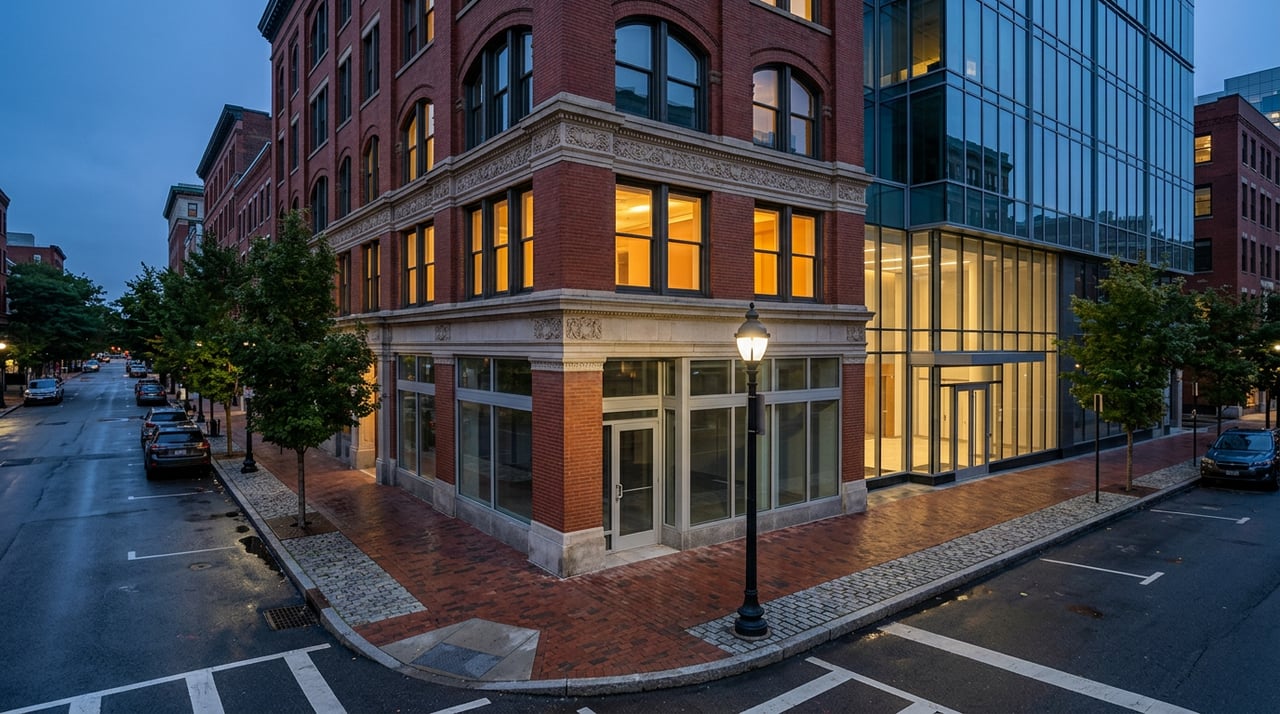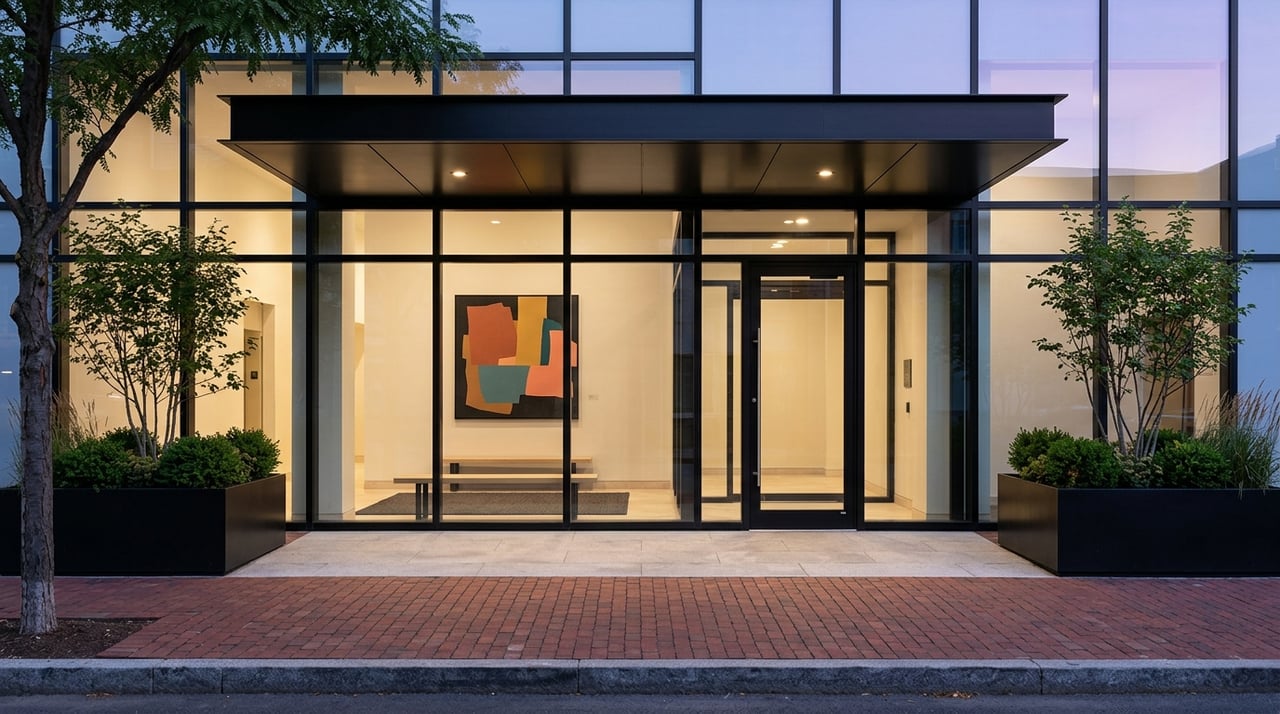
If you picture Seaport living as just sleek glass towers and water views, you are only seeing part of the story. Day to day, this part of Boston is really about convenience, walkability, and having work, dining, culture, and recreation close at hand. If you are considering a luxury condo here, it helps to understand what everyday life actually feels like beyond the listing photos. Let’s dive in.
Seaport Living Is Built Around Convenience
The Seaport is not simply a cluster of high-rise buildings. Boston Planning describes Seaport Square as a mixed-use urban neighborhood with a blend of uses and open spaces, and the neighborhood’s official identity centers on art, innovation, culture, and community along the waterfront.
For you, that usually means daily life feels organized around proximity. Instead of relying on a car for every errand, meal, or social plan, you can often handle much of your routine within the neighborhood itself.
The Harborwalk plays a big role in that experience. This public waterfront walkway stretches for nearly 40 miles and includes parks, seating areas, art, cafes, exhibit spaces, interpretive signage, and water transportation access, so even a short walk outside can feel like a real part of your day.
What Luxury Towers Usually Offer
In Seaport, amenity-rich living is part of the standard expectation. Across notable buildings in the neighborhood, luxury towers often include concierge service, package handling, fitness spaces, pools, lounges, work areas, guest accommodations, pet amenities, bike storage, and on-site parking.
Some buildings also offer conveniences that directly support a busy schedule. Depending on the property, that may include grocery delivery and storage, dog walking support, conference or meeting rooms, roof decks, on-site dining, and resident social spaces.
For many buyers, that translates into less friction in daily life. If you work long hours, travel often, or simply prefer a more turnkey routine, these building features can make a visible difference in how easily your week runs.
In-Unit Features That Support Routine
Inside the residences, the design tends to emphasize comfort and ease. Features commonly highlighted in Seaport luxury homes include oversized or floor-to-ceiling windows, balconies or terraces in select units, in-unit washer and dryer, premium appliances, high-end cabinetry, stone countertops, and spa-style baths.
Those finishes are not only about aesthetics. They also support the lock-and-leave lifestyle many urban buyers want, especially in a neighborhood where convenience and polished presentation are central to the appeal.
Errands Feel Easier Here
One reason Seaport appeals to busy professionals is that routine errands are relatively straightforward. Trader Joe’s operates at 44 Thomson Place, and Whole Foods has announced a Seaport Daily Shop at 111 Harbor Way with fresh produce, meat and seafood, prepared foods, bakery items, and everyday essentials.
That means grocery shopping can stay local instead of turning into a cross-city trip. In some luxury buildings, grocery delivery and storage services add another layer of ease.
Dining also shapes the daily rhythm here. Fan Pier notes that the surrounding Seaport neighborhood is home to nearly 80 restaurants, spanning quick coffee stops, seafood, and more formal dining, and some towers also include on-site or ground-floor hospitality.
Commuting and Travel Are Part of the Appeal
Seaport works well for residents who want multiple ways to move through the city. The Fort Point and Seaport area is accessible to South Station and Courthouse Station, and the ICA notes that the neighborhood can be reached by public transit, car, bike, or water taxi.
That flexibility matters if your routine changes day to day. You may commute into another part of Boston one morning, meet friends nearby that evening, and leave for a weekend trip the next day without needing a fully car-dependent setup.
For frequent travelers, Logan Airport is close enough to be a real lifestyle advantage. Massport notes that travelers can reach Logan by MBTA Blue Line, Silver Line, or water ferry, which can make this neighborhood especially practical if work or leisure travel is part of your schedule.
Parking Is a Real Consideration
The convenience of Seaport does come with one tradeoff. Parking can be limited in this busy and still-developing district, especially on weekdays.
Both the Boston Children’s Museum and the ICA note that parking may be limited in the area. So while many luxury buildings offer on-site parking, the broader neighborhood experience still feels more urban and event-driven than low-key or car-centered.
Waterfront Recreation Shapes the Day
One of Seaport’s biggest strengths is how easy it is to spend time outdoors without leaving the neighborhood. The Harborwalk gives you direct access to the waterfront, and that public edge helps make walking, jogging, or simply stepping outside feel like more than a commute between buildings.
Martin’s Park adds another important public space nearby. The City of Boston describes it as an inclusive, climate-resilient park with a playground, passive-use areas, and water play, adding a useful everyday option for residents who want more outdoor access close to home.
Even if you live in a tower with extensive amenities, the public realm still matters. In Seaport, that broader outdoor environment is a major part of what gives the neighborhood its lifestyle value.
Culture and Social Life Stay Close
Seaport stands out because entertainment and cultural options are not an occasional outing. They are built into the neighborhood fabric.
The Institute of Contemporary Art sits right on Boston Harbor in the Seaport district and is accessible by public transportation, bike, and water taxi. It also operates the ICA Water Shuttle to the Watershed and maintains Seaport Studio at 100 Pier 4 Boulevard for youth and gallery programming.
Boston Children’s Museum is also located in the Fort Point and Seaport corridor. Along with the waterfront parks and Harborwalk, these institutions help create a neighborhood that offers more than just residential towers and office space.
Seasonal and community programming adds to that rhythm. Seaport’s official programming includes events and activities that bring people outside, from fitness classes through Seaport Sweat to seasonal experiences like Snowport with shopping, rooftop igloos, and outdoor games.
What the Neighborhood Feels Like
Seaport often attracts buyers who want an efficient, design-forward, highly connected city lifestyle. In practical terms, the neighborhood feels active, polished, and full of movement.
You are living in a dense waterfront district where workspaces, residences, restaurants, public art, open space, and cultural destinations all overlap. That can feel energizing if you value access and momentum, but it is different from a quieter residential enclave with a slower pace.
This distinction matters when you are deciding whether Seaport is the right fit. The appeal is not only the tower itself. It is also the surrounding neighborhood cadence, which is busy, social, and shaped by both residents and visitors.
What Buyers Should Weigh
If you are considering a Seaport luxury condo, it helps to look beyond finishes and amenity decks. The best buying decision usually comes from matching the building and location to your real routine.
A few questions can help:
- How often do you want to walk to dining, fitness, or cultural destinations?
- Do you value concierge-style services and a more turnkey home base?
- How important is transit access versus driving access?
- Will on-site parking be essential for your lifestyle?
- Do you want an active waterfront district rather than a quieter residential setting?
For many buyers, the answer is yes across the board. But the right fit comes from understanding how the neighborhood functions on a normal Tuesday, not just how it looks on a sunny weekend.
What Sellers Can Highlight
If you own in Seaport, lifestyle positioning is a major part of the sale. Buyers are often responding to the total package, including building amenities, design, walkability, proximity to the Harborwalk, dining access, transit options, and the convenience of airport access.
That means presentation matters. In a visual, luxury condo market like Seaport, strong staging, polished photography, and a clear narrative around everyday living can help your home stand out.
It also helps to frame the neighborhood honestly. Seaport offers exceptional convenience and waterfront access, but it is also a dense, evolving urban district where parking can be limited and activity levels are high. Buyers tend to respond well when the lifestyle is presented clearly and confidently.
Climate Resilience Is Part of the Waterfront Story
Waterfront living is a major draw in Seaport, and it should also be understood in context. The City of Boston says it is actively implementing Climate Ready Boston strategies across its 47-mile coastline, and Martin’s Park is specifically described as climate-resilient.
For you as a buyer or seller, that means waterfront value and climate adaptation are part of the same conversation. Seaport’s shoreline setting remains one of its biggest assets, but it is also an urban waterfront that the city continues to study and adapt over time.
If you are buying, that is part of smart due diligence. If you are selling, it is part of presenting the neighborhood with credibility and context.
If you are thinking about buying or selling in Seaport, the most useful guidance usually comes from someone who understands not just pricing, but how luxury buyers evaluate building quality, presentation, and lifestyle fit. To talk through your options with a hands-on Boston advisor, connect with Joe DeAngelo - New Website - SoWa.
FAQs
What is everyday life like in Boston’s Seaport luxury towers?
- Everyday life in Seaport luxury towers is typically centered on convenience, walkability, amenities, and easy access to dining, groceries, waterfront recreation, and cultural destinations.
What amenities do Seaport luxury buildings usually include?
- Many Seaport luxury towers offer amenities such as concierge service, package handling, pools, fitness centers, lounges, workspaces, guest suites, pet amenities, bike storage, and sometimes on-site parking or dining.
Is the Seaport District in Boston easy for commuting?
- Yes, the neighborhood is accessible to South Station and Courthouse Station and can also be reached by car, bike, or water taxi, giving residents several ways to get around.
Are groceries and daily errands convenient in Boston Seaport?
- Yes, Seaport has neighborhood grocery options including Trader Joe’s, and Whole Foods has announced a smaller-format daily shop in the district, while some towers also offer grocery delivery and storage.
Is parking difficult in Boston’s Seaport District?
- Parking can be limited in the Seaport, especially on weekdays, so buyers who drive regularly often pay close attention to whether a building includes on-site parking.
What makes Seaport appealing to luxury condo buyers?
- Seaport appeals to many luxury condo buyers because it combines modern residences, strong amenity packages, waterfront access, nearby dining, cultural destinations, and practical access to Logan Airport.
What should sellers highlight when listing a Seaport luxury condo?
- Sellers should highlight the full lifestyle package, including building amenities, in-unit finishes, waterfront access, walkability, transit convenience, and the neighborhood’s active urban setting.