Wondering what it’s really like to live in Boston’s North End? This is one of those neighborhoods that people often know for a dinner reservation or a historic landmark, but daily life here is more layered than a quick visit suggests. If you are considering buying or renting in the area, understanding the housing mix, walkability, waterfront access, and street energy can help you decide whether it fits your lifestyle. Let’s dive in.
What Living in the North End Feels Like
The North End sits on the northeastern edge of Boston, bordered on two sides by Boston Harbor. Boston Planning describes it as the city’s oldest residential community, with roots going back to the 1630s, and notes that the Big Dig and Rose Kennedy Greenway helped reconnect it to downtown.
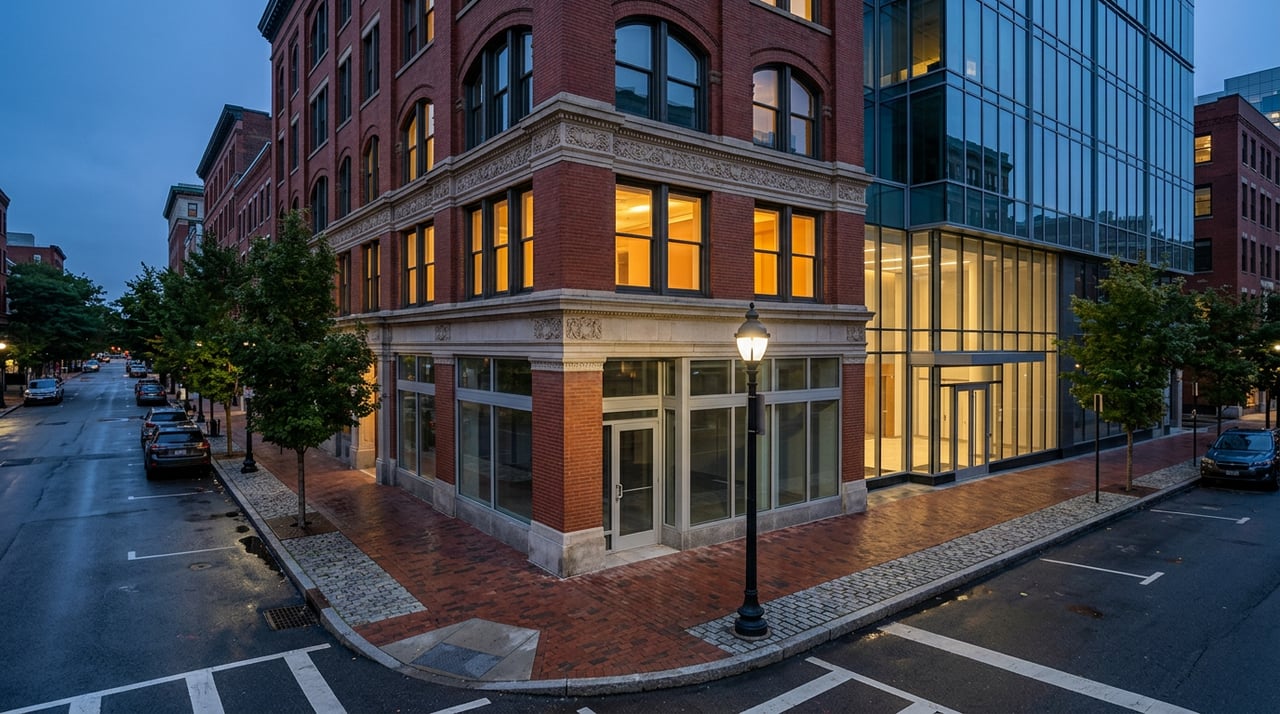
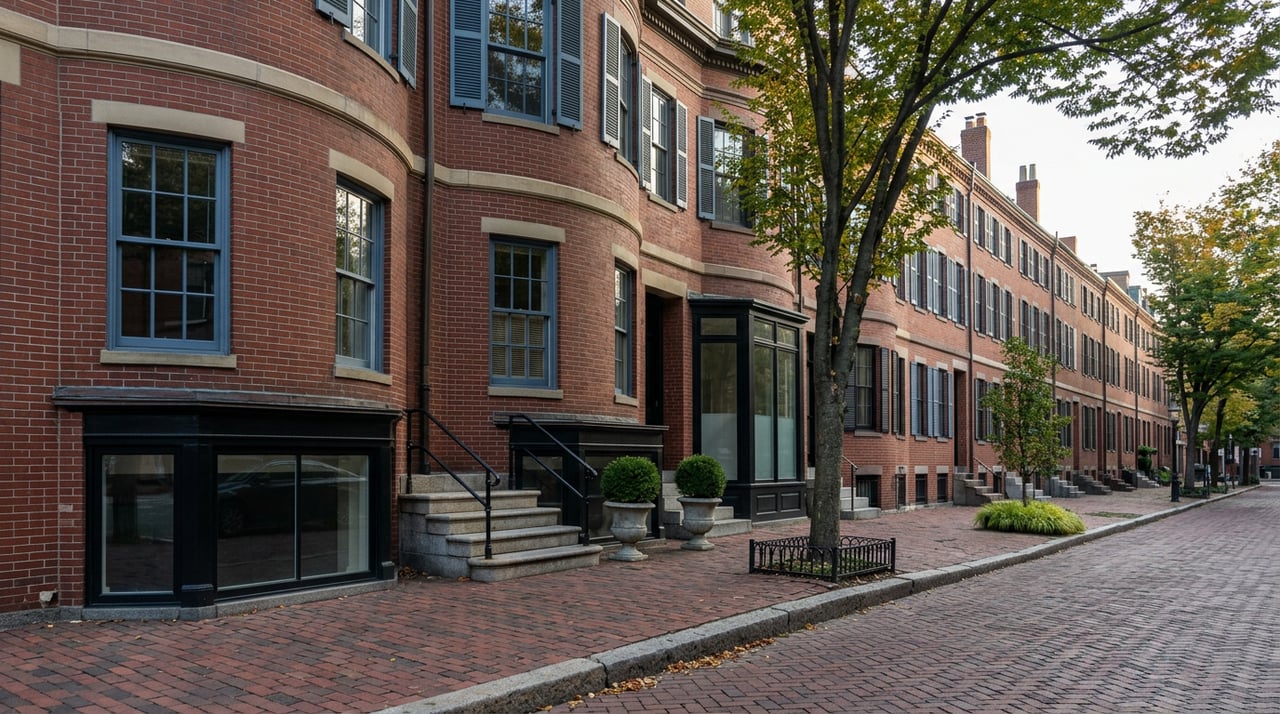
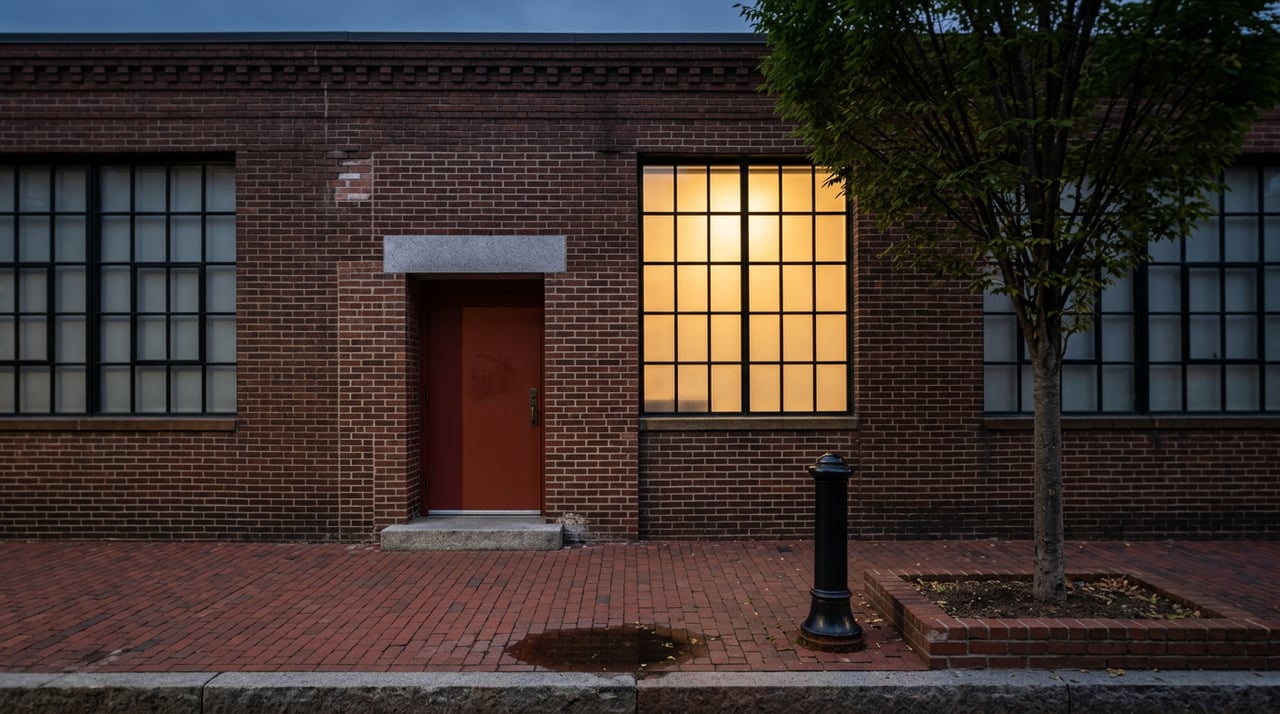
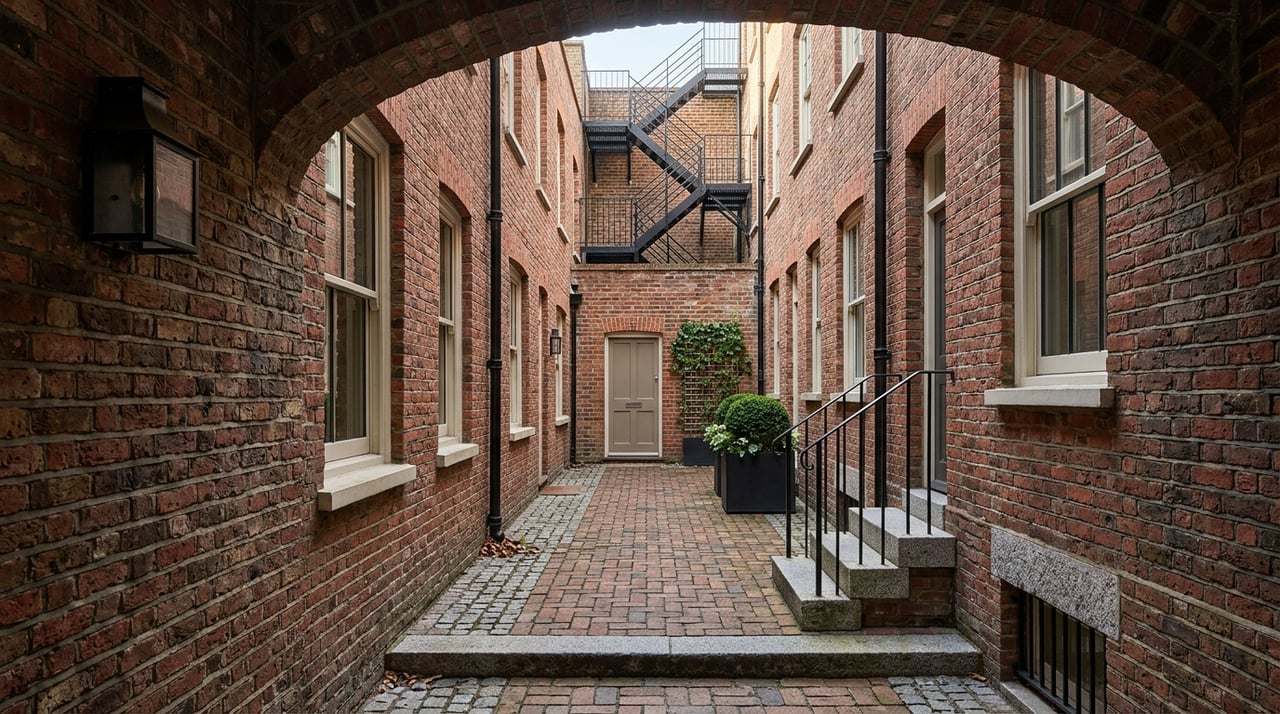
In everyday terms, the neighborhood feels historic, compact, and highly walkable. Narrow streets, brick buildings, and active storefronts shape the experience, while the waterfront adds open views and public outdoor space that balance the density.
Boston.gov also identifies the North End as one of the city’s most visited neighborhoods. That popularity matters when you live here, because the area’s energy is not occasional. It is part of the daily rhythm.
North End Homes and Housing Mix
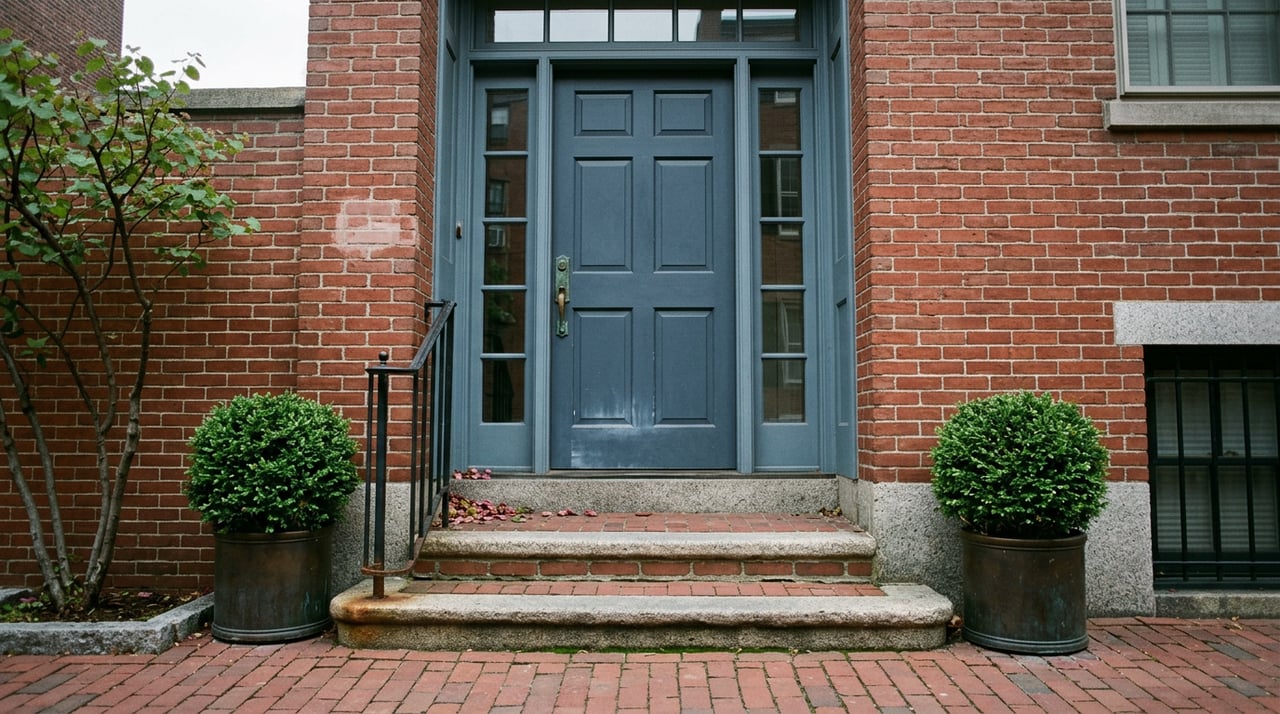
If you picture large detached homes, the North End will feel very different. The neighborhood is defined much more by apartment-style living, with a housing stock made up largely of walk-up apartments and condos rather than single-family homes.
Boston Planning’s 2017 to 2021 ACS tables show that 40.0% of occupied homes are studios or one-bedrooms, while 37.6% are two-bedrooms. That means the local inventory tends to favor smaller footprints, which is important if you want extra rooms, flexible office space, or more storage.
The same data shows that 75.2% of occupied units are renter-occupied and 24.8% are owner-occupied. For buyers, that often translates into a market where condos and smaller urban homes are the clearest path to ownership in the neighborhood.
The 2020 Census counted 10,805 residents and 6,832 housing units, with 92.4% of units occupied. In a compact neighborhood like this, that level of occupancy reinforces what many people notice right away: the North End is lively, well used, and tightly woven into the larger downtown core.
Who the North End Often Appeals To
Boston Planning reports that 57% of residents are ages 20 to 34, and 80% have a bachelor’s degree or higher. While every buyer has different goals, those numbers help explain why the neighborhood often appeals to people looking for an urban, connected, convenience-driven lifestyle.
You may feel especially drawn to the North End if you want to step outside and immediately be in the middle of city life. It can be a strong fit for buyers who value walkability, dining, transit access, and a home base close to downtown Boston.
On the other hand, it may be less ideal if your top priorities are larger homes, more private outdoor space, or easy multi-car parking. The North End’s strengths are real, but so are its tradeoffs.
Dining Shapes the Daily Rhythm
Hanover Street and Salem Street are the neighborhood’s main commercial corridors, according to Boston Planning. These streets are lined with Italian restaurants, bakeries, and shops, and many buildings include ground-floor commercial space.
That mix gives the North End a very specific rhythm. Mornings can feel café-centered and pedestrian-friendly, afternoons stay active with people moving through the neighborhood, and evenings often revolve around dining and gathering.
Boston.gov highlights the area’s old-world cafes, restaurants, and historic sites, all of which contribute to a steady stream of visitors. If you live here, that means your neighborhood is rarely sleepy, especially around meal times and during the summer festival season.
For many residents, this is the appeal. You are not choosing a quiet pocket removed from activity. You are choosing to live inside one of Boston’s most social, recognizable, and street-oriented neighborhoods.
Walkability and Getting Around
One of the North End’s biggest advantages is how easy it is to navigate without a car. Boston Planning’s data shows that 52.7% of households have no vehicle, and only 0.9% have three or more vehicles.
That statistic supports what the neighborhood layout already suggests. The North End works best if you are comfortable walking, using transit, and planning around limited parking.
A City of Boston transportation profile describes the North End as a dense residential neighborhood with narrow streets and no major through streets cutting through it. Commercial Street runs around the perimeter, and both North Station and Haymarket sit right next to the neighborhood, making downtown and other parts of the city feel close at hand.
If your routine includes commuting, meeting friends across the city, or enjoying downtown amenities without depending on a car, this setup can be a major advantage. If you need regular parking flexibility, it is worth weighing that reality carefully before you make a move.
Waterfront Access and Outdoor Space
The North End does have outdoor amenities, but they are concentrated in a handful of public spaces rather than spread across large interior parks. Boston’s parks listings identify Christopher Columbus Park, Langone Park, Puopolo Playground, Paul Revere Mall, and Mirabella Pool as key neighborhood open spaces.
That means outdoor life here often feels tied to the waterfront and public gathering areas. You have places to walk, sit, play, and enjoy harbor views, but the neighborhood’s open-space identity is more waterfront-oriented than park-heavy.
Boston.gov notes that the waterfront includes a skating rink and baseball fields. It also highlights Mirabella Pool, an outdoor pool that operates from June through September and stands out as one of only two BCYF outdoor swimming facilities in the city.
For residents, these amenities add an important layer to daily life. The North End may be dense, but the harbor edge and public spaces offer room to breathe and a strong seasonal rhythm, especially in warmer months.
Historic Character Is Part of Everyday Life
The North End is not just near Boston history. It is surrounded by it. Boston.gov points to landmarks such as the Paul Revere House, Old North Church, and Copp’s Hill Burying Ground, all located within the neighborhood.
That historic character shapes more than tourism. It influences the streetscape, the architecture, and the feeling of living in a place that has long-standing identity and continuity.
Boston Planning also notes the neighborhood’s strong Italian-American heritage and its well-known summer festivals. Together, these elements give the North End a sense of place that is hard to replicate elsewhere in Boston.
If neighborhood identity matters to you, this can be a real draw. The North End feels distinct, and that distinctiveness is visible in both the built environment and daily street life.
Biggest Tradeoffs to Know Before You Move
Every neighborhood asks for some compromise, and the North End is no exception. The biggest tradeoffs, based on the local housing and transportation profile, are typically space, parking, and a quieter residential atmosphere.
Because so much of the housing stock is made up of studios, one-bedrooms, and two-bedrooms, buyers looking for larger layouts may find fewer options. The car-light nature of the neighborhood is also a strength for some people and a challenge for others.
Then there is the energy level. The North End is one of Boston’s most visited neighborhoods, and its dining scene is part of what makes it special. If you want activity close at hand, that can feel exciting. If you prefer more separation from commercial and visitor traffic, you may want to compare it with other central Boston neighborhoods.
Is the North End Right for You?
The North End stands out as a historic waterfront neighborhood with strong restaurant culture, compact housing, and excellent access to downtown Boston. It tends to work best for people who want a dense, walkable, transit-friendly setting where everyday life unfolds on the street, at local cafés, and along the harbor.
If that sounds like your version of city living, the North End can be a compelling place to call home. If your priorities lean toward more square footage, more parking, or a calmer residential pace, it is still worth visiting, but you may want to weigh it against other nearby neighborhoods.
When you are evaluating a move in Boston, the key is matching the neighborhood’s rhythm to your own. If you want help comparing condo options, understanding how different Boston neighborhoods live day to day, or planning a move with a clear strategy, Joe DeAngelo - New Website - SoWa can help you navigate the process with the kind of thoughtful, hands-on guidance that urban buyers value.
FAQs
What types of homes are common in Boston’s North End?
- The North End is dominated by smaller apartment-style homes, especially studios, one-bedrooms, two-bedrooms, and condos rather than detached single-family houses.
What is daily life like in Boston’s North End?
- Daily life in the North End is active, walkable, and shaped by restaurants, cafés, local shops, historic streets, and a steady flow of residents and visitors.
Is Boston’s North End a good fit if you have a car?
- The neighborhood can be more challenging for car-dependent households because many residents live without a vehicle and the area is known for narrow streets and limited parking.
What outdoor spaces are available in Boston’s North End?
- Key public spaces include Christopher Columbus Park, Langone Park, Puopolo Playground, Paul Revere Mall, and Mirabella Pool, with much of the neighborhood’s outdoor life centered on the waterfront.
Who tends to like living in Boston’s North End?
- The North End often appeals to people who want a compact, downtown-adjacent lifestyle with strong walkability, transit access, waterfront amenities, and a lively dining scene.