Thinking about buying a small multifamily in Boston? It can be a smart way to enter the investment market, but this city asks you to be more disciplined than many first-time investors expect. If you understand how Boston’s rents, taxes, older housing stock, and compliance rules shape your numbers, you can make better decisions from the start. Let’s dive in.
Why Boston draws investors
Boston has one of the strongest renter bases in the country. According to the City of Boston’s housing and economy data, nearly two-thirds of occupied homes in the city are rentals, and the 2024 median rent was $2,800 per month.
That demand is supported by the city’s demographics and job base. Boston’s median age is 33, 38% of residents are between 18 and 34, and education and health care make up 28.4% of city jobs. For you as an investor, that points to durable rental demand rather than a market driven by one narrow industry.
Boston is also actively adding housing, with 3,575 residential units approved in 2024 and more than 32,000 approved since 2019. Even so, housing remains a major local issue, which helps explain why rental demand stays front and center in many parts of the city.
Know Boston rent data first
One of the easiest mistakes for a new investor is using the highest rent number you can find and treating it like guaranteed income. In Boston, that can lead to overly optimistic underwriting.
The city reported a 2024 median rent of $2,800 based on occupied units, while Zillow’s Boston asking-rent index reached $3,441 in March 2026, with a 2% year-over-year increase, according to the same Boston housing report. Those numbers are not interchangeable. Occupied-rent data reflects what tenants are already paying, while asking-rent data reflects current listings.
That gap matters when you estimate income. If you buy based on asking rents without checking what a property can realistically achieve and sustain, your projected cash flow may look far better on paper than it does in real life.
Start with a conservative underwriting model
If you are new to small multifamily investing, keep your first pass simple. Start with gross scheduled rent, subtract vacancy and credit loss, then account for operating expenses, capital reserves, and debt service.
In Boston, a conservative approach matters because rent levels can vary widely from one area to another, and the difference between occupied rents and asking rents is meaningful. The cleanest takeaway is to avoid stretching your income assumptions just to make a deal work.
A practical starter framework looks like this:
- Gross scheduled rent based on realistic in-place or supportable rents
- Vacancy and credit loss to reflect turnover and collection risk
- Operating expenses such as taxes, insurance, utilities, and maintenance
- Capital reserves for future repairs and replacements
- Debt service based on your actual financing terms
If the deal only works with aggressive rent growth, minimal maintenance, or unrealistically low expenses, that is usually a sign to slow down and revisit the numbers.
2 to 4 units vs 5 plus units
This is one of the most important early decisions you will make. Small multifamily does not all finance the same way.
For many buyers, a 2-4 unit building is the more approachable starting point. Once you move into 5+ unit territory, the financing conversation usually changes. Fannie Mae’s conventional multifamily financing starts at five units, which means 5-10 unit properties often involve a different lender process and more detailed operating analysis than a 2-4 unit residential asset.
That does not mean 5+ units are better or worse. It simply means you should match the property type to your experience level, financing strategy, and comfort with more formal underwriting.
Expect older buildings and more upkeep
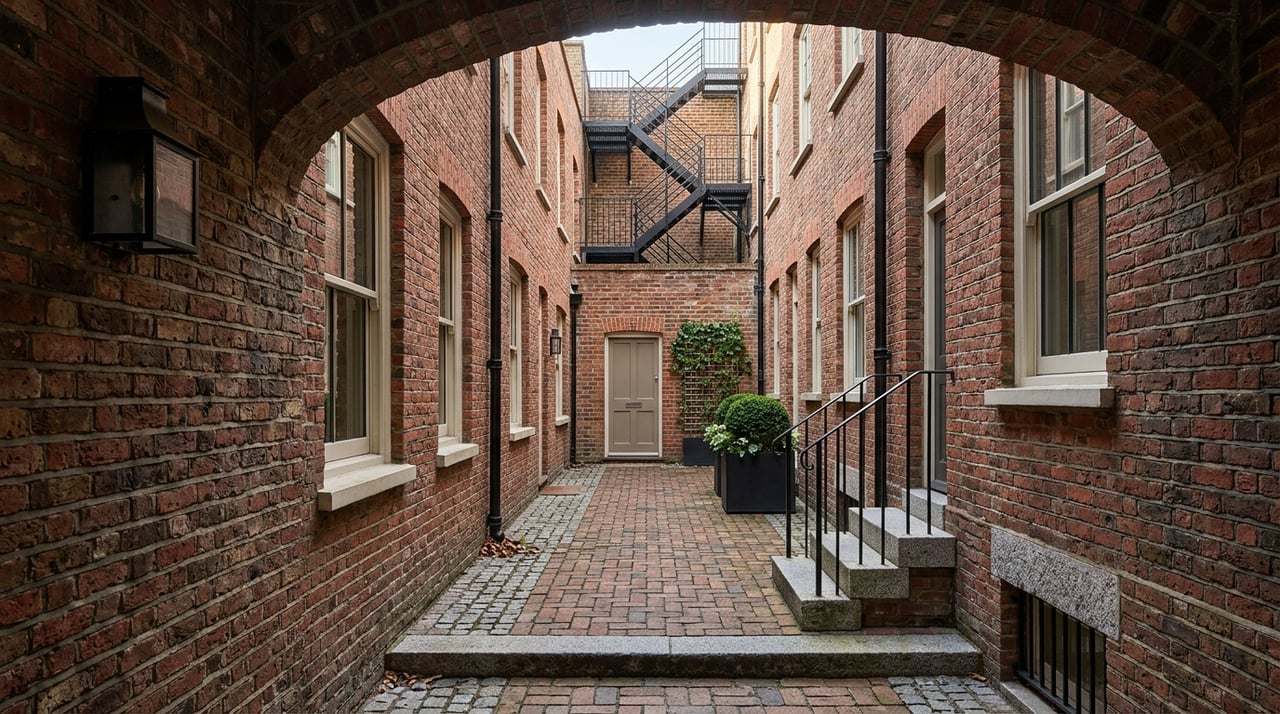
Boston’s small multifamily stock is older than many first-time investors realize. The Boston Planning Department says 61% of small-scale homes with 1-4 units were built before 1924, and only 10% were built after the 1964 zoning code.
For you, that often means older plumbing, electrical systems, roofs, windows, porches, and common areas. It can also mean more renovation friction, more deferred maintenance, and a greater chance that some part of the property needs updates to meet current expectations or requirements.
Older buildings can still be excellent investments, but you should budget for maintenance and capital work from day one. In Boston, surprises are rarely the exception in older housing. They are part of the process.
Watch zoning and permitting risk
A value-add plan can look great in a spreadsheet, but Boston’s approval process can affect your timeline and budget. The city notes that many existing homes do not comply with current zoning, and even modest changes like porches, dormers, and rear additions often require zoning review or relief, according to the Boston Planning Department.
That means you should not assume every improvement idea is simple. Before you count on added rent from a renovation plan, make sure the scope is realistic for the property, the zoning context, and the likely permitting path.
This is where a project-managed approach matters. The more moving parts involved, the more important it is to coordinate expectations around cost, timing, and feasibility before you close.
Underwrite taxes correctly
Property taxes can materially change your returns in Boston, so tax treatment should never be an afterthought. The city’s current FY26 residential tax rate is $12.40 per $1,000 of assessed value, while commercial, industrial, and personal property are taxed at $26.96 per $1,000, according to the City of Boston property tax page.
Because Boston uses a property tax classification system, tax class is a core underwriting variable. If you misread how a building will be taxed, you can materially understate your carrying costs.
If you plan to live in the property, the Boston residential exemption may reduce qualified homeowners’ tax bills by up to $4,353.74 in FY26. But if the building is held purely as an investment, you should not assume that benefit applies.
You should also include the Community Preservation Act surcharge, which is 1% on residential and business property tax bills after a $100,000 deduction. It is not the largest line item in your budget, but it is part of the recurring cost of ownership.
Understand Massachusetts rental rules
Boston investors also need a working understanding of Massachusetts landlord-tenant rules because operational mistakes can create unnecessary cost and risk. One key area is security deposits.
According to the Massachusetts Attorney General’s guidance on holding a security deposit, security deposits are generally capped at one month’s rent. They must be held in a separate interest-bearing Massachusetts bank account, and landlords must provide written notice and a condition statement.
The same state guidance also notes that landlords may not charge up-front pet, broker, or application fees at the start of a tenancy. If you are building a pro forma, your cash flow assumptions should reflect the actual rules rather than informal market practices you may hear about.
Lead compliance is a major Boston issue
Because so much of Boston’s housing stock predates 1978, lead compliance deserves special attention. The Massachusetts Lead Law states that homes built before 1978 may contain lead, and hazards must be removed or covered in homes where a child under 6 lives.
Sellers and landlords also have disclosure obligations related to lead risks. For a new investor, this is one of the most important Boston-specific issues to investigate early, especially in older 2-4 unit buildings.
You can also review available records through the state’s Lead Safe Homes history search. That step can help you understand whether prior lead compliance work has been documented before you move forward.
Focus your due diligence
A strong Boston multifamily purchase starts with disciplined due diligence, not just a quick glance at rent potential. Before you make assumptions about cash flow, verify the details that most often change the economics of the deal.
Your diligence checklist should include:
- Current and supportable rents
- Property tax class and likely tax bill
- Whether any owner-occupant exemption is actually applicable
- Lead history and disclosure requirements
- Existing code or rental issues
- Condition of major systems and likely near-term capital needs
- Whether your improvement plans may trigger zoning or permitting review
This process may feel detailed, but Boston rewards investors who do their homework. Careful diligence often helps you avoid the expensive surprises that hurt first-time buyers most.
What makes a good first deal
For many new investors, the best first Boston multifamily deal is not the one with the most dramatic upside on paper. It is the one you can understand, finance, maintain, and manage with realistic assumptions.
That may mean starting with a smaller building, a clearer rent story, and a maintenance profile you can comfortably absorb. It may also mean passing on a property that looks exciting but carries too much uncertainty around taxes, deferred maintenance, lead compliance, or permitting.
In Boston, small multifamily investing is often less about chasing rapid appreciation and more about navigating durable renter demand, older-stock maintenance risk, and local tax and legal friction with discipline. If you approach the process with conservative underwriting and the right professional guidance, you put yourself in a much stronger position.
If you are evaluating a Boston multifamily opportunity and want a more informed, project-managed approach to the process, Joe DeAngelo - New Website - SoWa can help you assess property fundamentals, local market context, and next steps with clarity.
FAQs
Should I start with a 2-4 unit property in Boston or buy a 5+ unit building?
- A 2-4 unit building is often the simpler starting point because 5+ unit properties usually involve a different financing path and more detailed operating analysis.
How should I estimate rental income for a Boston multifamily property?
- Start with realistic current or supportable rents, then subtract vacancy and credit loss rather than underwriting directly from high asking-rent listings.
What Boston property taxes should I include in a multifamily budget?
- You should include the applicable tax rate based on the property’s classification, avoid assuming a residential exemption unless you qualify, and account for the 1% Community Preservation Act surcharge.
Why is lead compliance important for Boston multifamily investors?
- Many Boston properties were built before 1978, so you should review lead history, understand disclosure rules, and be aware that lead hazards must be addressed in homes where children under 6 live.
What are the biggest due diligence issues for small multifamily investing in Boston?
- The most important items often include rent assumptions, tax class, building condition, lead history, code issues, and whether renovation plans may require zoning review or permitting.