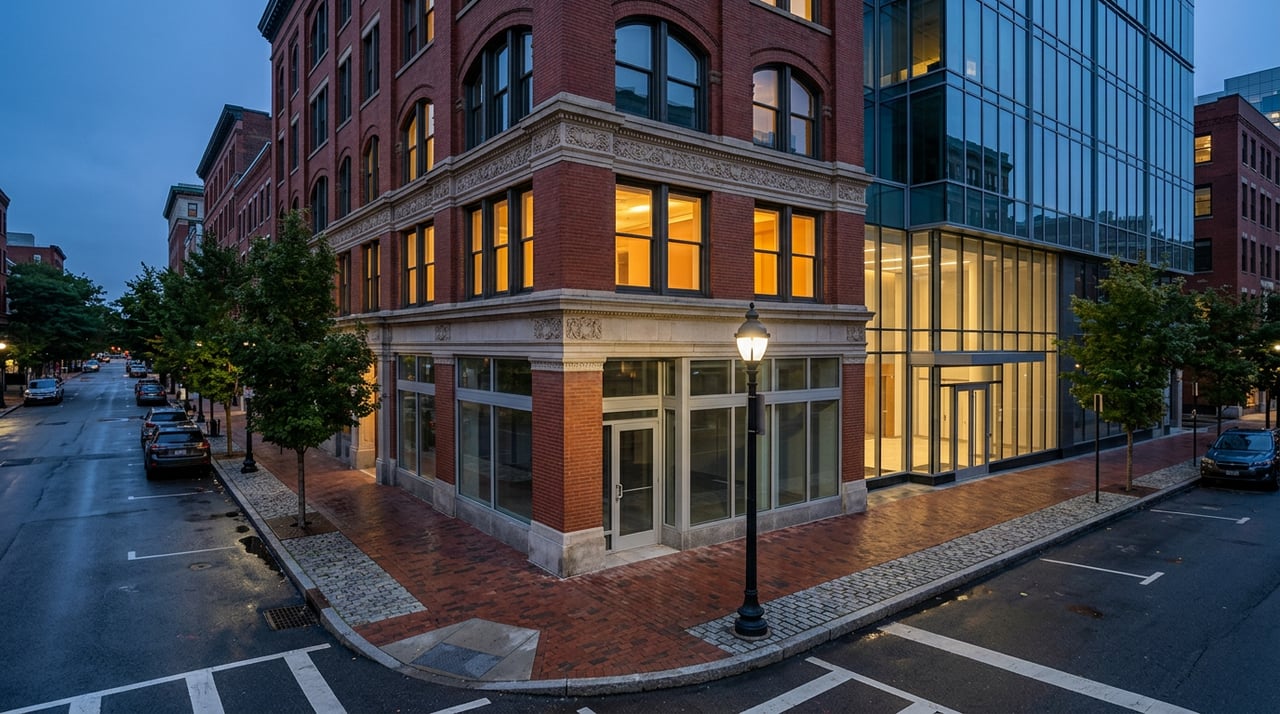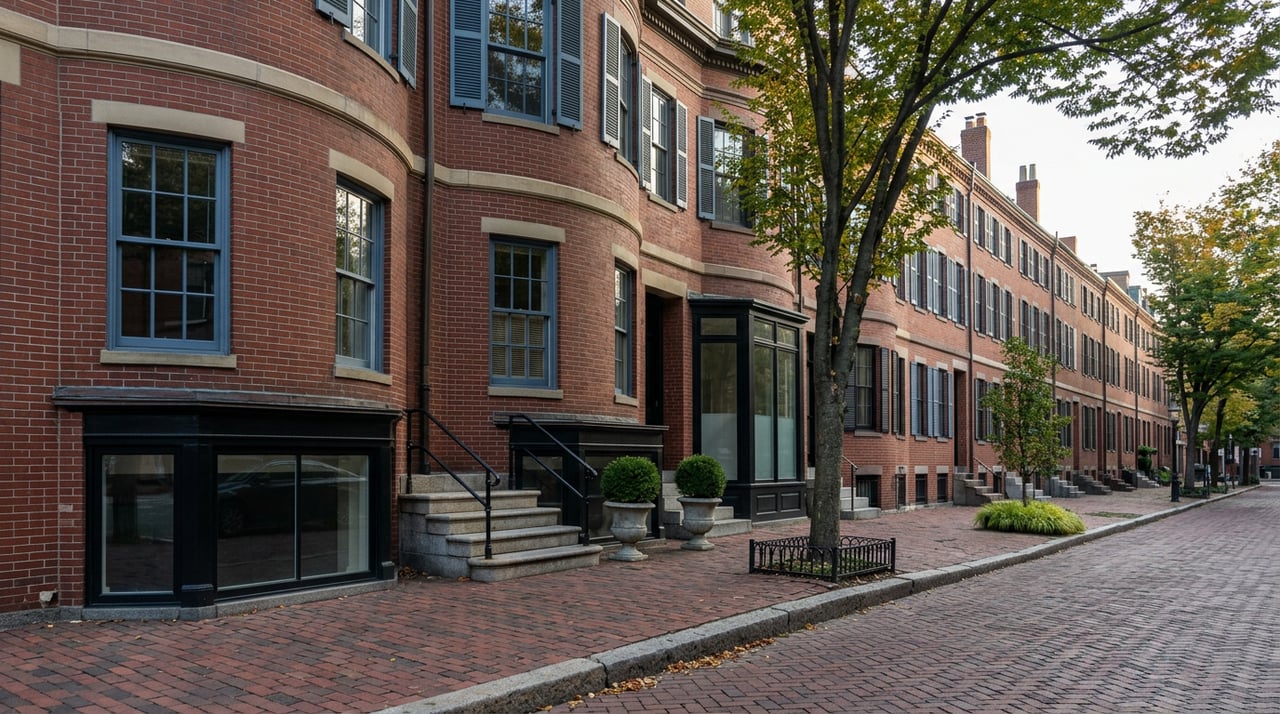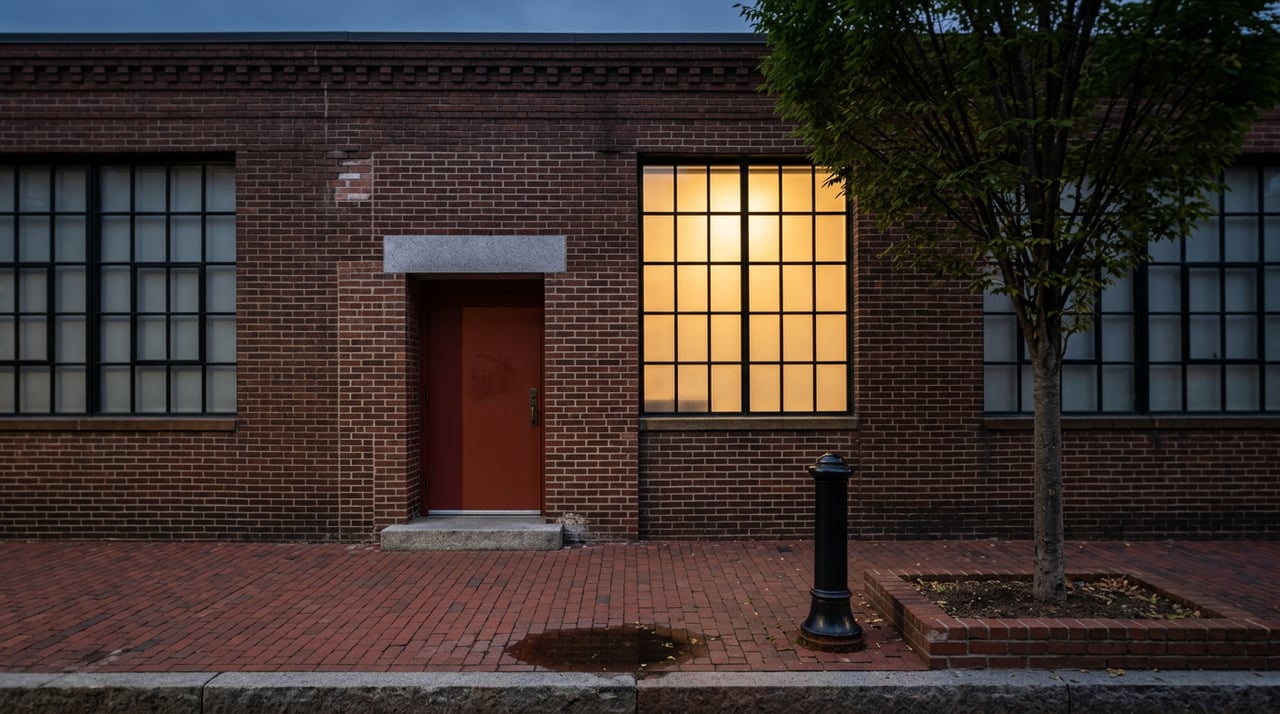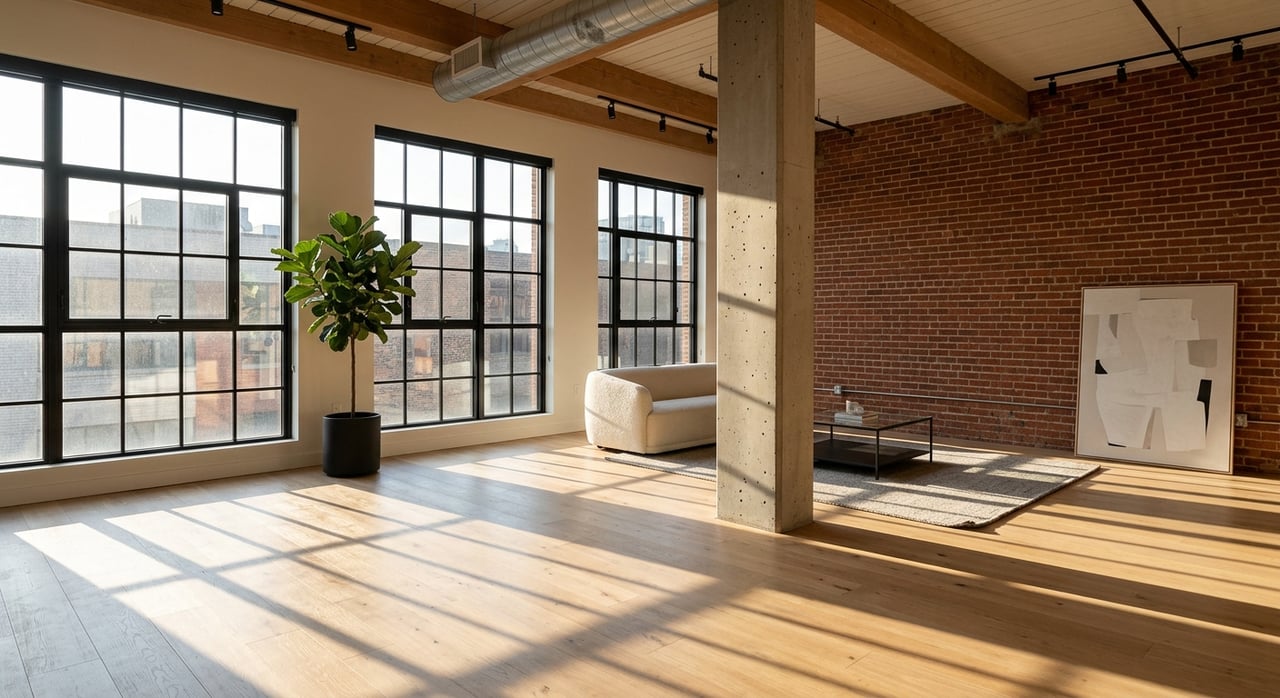
If you are selling a loft or condo in SoWa, presentation is not a finishing touch. It is part of the value story. In a neighborhood known for artist studios, galleries, design showrooms, and reclaimed warehouse buildings, buyers often react to a home the way they react to good design: quickly, visually, and with high expectations. The good news is that with the right plan, you can make your space read as bright, polished, and memorable from the very first photo. Let’s dive in.
Why presentation matters in SoWa
SoWa sits within the South End’s art-and-design district, and that setting shapes how buyers see your home. Many lofts and condos here offer details that feel architectural and hard to replicate, like volume, light, industrial character, and open living areas.
That means your listing should not feel crowded or overly decorated. Instead, it should help buyers understand the space at a glance and appreciate the features that make the property distinct.
Current market conditions also support a thoughtful launch. March 2026 data for 02118 showed a typical home value of $984,585, a median sale price of $1,211,667, 113 homes for sale, 42 new listings, and a median time to pending of 33 days. A South End snapshot showed a median sale price of $1.375 million and a median of 48 days on market.
In plain terms, buyers are active, but they can compare options. Clean execution, strong media, and a fresh first impression matter.
Start with the architectural story
A gallery-quality presentation begins by identifying what your home does best. In a SoWa loft or condo, that often means ceiling height, oversized windows, exposed materials, sightlines, or a smart open layout.
Your goal is to make those elements easy to read in person and online. Buyers should immediately understand where the living area starts, where the dining zone fits, how the light moves through the home, and how the floor plan lives day to day.
This is why editing is so important. Too much furniture, too many accessories, or visual clutter can make a dramatic room feel smaller and busier than it is.
What to stage first
When sellers ask where to spend the staging budget, the answer is usually the rooms that shape scale and emotion first. Research from the National Association of Realtors found that buyers’ agents said staging makes it easier for buyers to visualize a home as their future home, with 83% agreeing.
The same research found the most important rooms to stage were the living room, primary bedroom, and kitchen, with dining areas also commonly staged. For a SoWa property, that usually means focusing on:
- The main living area
- The dining zone
- The primary bedroom
- The kitchen
The living area often does the heaviest lifting in a loft. It tells buyers whether the space feels expansive, stylish, and usable.
The dining area helps define the floor plan, especially in open-concept homes. A clear dining zone can make a large room feel more intentional without adding visual noise.
The primary bedroom should feel calm and scaled correctly. If it is too full, buyers may read it as tight, even when the room itself is strong.
The kitchen should feel clean, bright, and edited. Clear counters, polished hardware, and balanced styling usually do more than adding extra decor.
What to keep minimal
Not every corner needs to be filled. In SoWa, minimal styling often works better because it lets the architecture lead.
That means you may want to remove bulky furniture, oversized rugs, extra side tables, crowded bookshelves, and collections that pull attention away from the shell of the home. The space should feel curated, not empty, and polished, not personal.
Think of it this way: buyers are not just buying your furniture arrangement. They are deciding whether the home itself feels elevated, flexible, and memorable.
The prep work that pays off
Before staging and photography, focus on the basics that make a home feel crisp. NAR research found the most recommended pre-list tasks included decluttering, whole-home cleaning, improving curb appeal, minor repairs, paint touch-ups, and professional photos.
For a SoWa condo or loft, that often translates into a practical checklist:
- Declutter surfaces, storage areas, and open shelving
- Deep clean the entire home
- Clean windows and mirrors thoroughly
- Touch up paint where walls show wear
- Repair loose hardware or small visible issues
- Simplify furniture layouts
- Refine the entry sequence so the first few steps feel polished
These steps may sound simple, but together they help the property feel cared for. That is exactly what buyers want to see in a higher-value urban home.
Photos matter more than ever
Your first showing usually happens online. That is especially true in a visual market like SoWa.
NAR research found that listing photos were the most useful feature during an online search for 81% of buyers, and 52% of buyers found the home they purchased online. Buyers’ agents also rated listing photos as the most important listing asset, ahead of staging, videos, and virtual tours.
That means photography should not be treated as a final errand. It should be part of the strategy from the beginning.
Strong listing media for a SoWa launch often includes:
- Professional still photography
- Video
- A floor plan
- A virtual tour, when appropriate
The order matters too. Clean and declutter first, stage the right rooms second, then capture the media package once everything is ready.
Plan around South End logistics
Selling in SoWa is not only about aesthetics. Timing and logistics matter.
Boston notes that SoWa Open Markets run on Sundays from 10 a.m. to 4 p.m. on Harrison Avenue. That can affect launch-week traffic, parking, showing flow, and open house planning.
Sometimes that neighborhood energy helps the debut of a listing. Sometimes it creates complications that need to be managed carefully. The key is to think through timing in advance rather than treating launch week like any other Boston address.
Know the rules before making changes
If you are considering improvements before listing, confirm what needs approval before work begins. The South End is a Boston landmark district, and the Boston Landmarks Commission reviews certain exterior alterations.
Front facades, visible roofs, and side or rear elevations facing a public way can fall under review. If your prep plan touches the exterior or visible envelope, that review process can affect your schedule.
The commission states that applications must be complete 15 business days before a public hearing, and work should not begin or materials be purchased until approval is confirmed. For sellers, that means exterior changes should be considered early, not late.
Condo rules matter too
If your home is part of a condominium, review the governing documents before making changes. In Massachusetts, condos are governed by the master deed, bylaws, and Chapter 183A.
Even work that feels cosmetic may involve common or limited-common elements. A good pre-list plan starts with clarity so you do not lose time solving avoidable issues just before launch.
Boston compliance can affect timing
A polished listing launch also depends on paperwork and required items being ready. The Boston Fire Department says most residential owners need a smoke and carbon monoxide detector inspection before they can sell.
If you are thinking about a bathroom or kitchen update before listing, Boston permitting rules also matter. Those projects may require permits and licensed contractors for plumbing, electrical, or sheet-metal work, and the city warns owners not to begin permitted work before the permit is issued.
For many sellers, this becomes a simple strategic question: what is worth doing now, and what is better left alone? In a fast-moving prep window, smaller cosmetic improvements often create better return than a rushed renovation.
Gather documents early
Documentation is part of presentation too. A smooth sale feels more professional to buyers and reduces stress once the home is under agreement.
Before listing, it helps to gather:
- Condo documents
- Smoke and carbon monoxide inspection status
- Records for recently completed or permitted work
- Any lead-paint documentation for pre-1978 properties
Massachusetts requires lead-paint notification for homes built before 1978. The state also says that most residential sellers who are not in the business of selling homes do not have a broad affirmative disclosure requirement beyond lead paint and the home-inspector fact sheet.
For older SoWa buildings, it is smart to confirm early whether the property age triggers lead-related documentation. That is a small step that can prevent delays later.
A smart 4-to-6-week launch plan
A gallery-quality presentation usually does not happen in a weekend. The strongest launches are built in phases.
Weeks 4 to 6 before listing
Start with planning and approvals. Confirm condo documents, review any building or landmark considerations, schedule the smoke and carbon monoxide inspection, and decide which repairs are worth completing.
If exterior work may be involved, address that immediately because review timelines can stretch your schedule. This is also the stage where a project-managed approach can save real time.
Weeks 2 to 3 before photos
This is the execution phase. Finish paint touch-ups, minor repairs, window cleaning, deep cleaning, and layout edits.
Then stage the rooms that matter most. In most SoWa homes, that means the living area, dining zone, primary suite, and kitchen.
Final week before launch
Capture the media package once the home is fully ready. That typically includes still photography, a floor plan, video, and a virtual tour if it fits the property.
Once the assets are done, launch with a coordinated showing and open house plan that accounts for neighborhood timing, parking, and traffic patterns.
Why project management matters
In a home where design and presentation shape value, the details are connected. Cleaning affects photos. Photos affect clicks. Staging affects how buyers read scale. Approvals and inspections affect timing.
That is why selling a SoWa loft or condo often works best when the process is managed as a series of deliberate steps, not a last-minute checklist. The goal is not simply to put the home on the market. It is to launch it with clarity, confidence, and visual impact.
If you want your loft or condo to feel like a finished piece rather than just another listing, careful planning can make all the difference. For tailored guidance on staging, prep, pricing, and a polished launch strategy in SoWa and the South End, connect with Joe DeAngelo - New Website - SoWa.
FAQs
What should I stage first when selling a SoWa loft or condo?
- Start with the living area, primary bedroom, kitchen, and dining zone, since these spaces most often shape a buyer’s first impression and understanding of scale.
What should stay minimal in a SoWa condo listing?
- Keep bulky furniture, crowded shelves, and excess accessories to a minimum so buyers can focus on the home’s light, layout, and architectural character.
Do South End exterior changes need approval before listing?
- Yes, exterior work that affects front facades, visible roofs, or elevations facing a public way may be subject to Boston Landmarks Commission review in the South End Landmark District.
What documents should I gather before selling a Boston condo?
- Have condo documents, smoke and carbon monoxide inspection status, records of completed work, and any lead-paint documentation for pre-1978 properties ready early.
How far in advance should I prepare my SoWa home for sale?
- A practical timeline is 4 to 6 weeks before listing so you can handle approvals, repairs, cleaning, staging, and media without rushing.
Which marketing assets matter most for a SoWa listing?
- Professional listing photos matter most, followed by staging, video, virtual tours, and a floor plan to help buyers understand the home online before they visit.