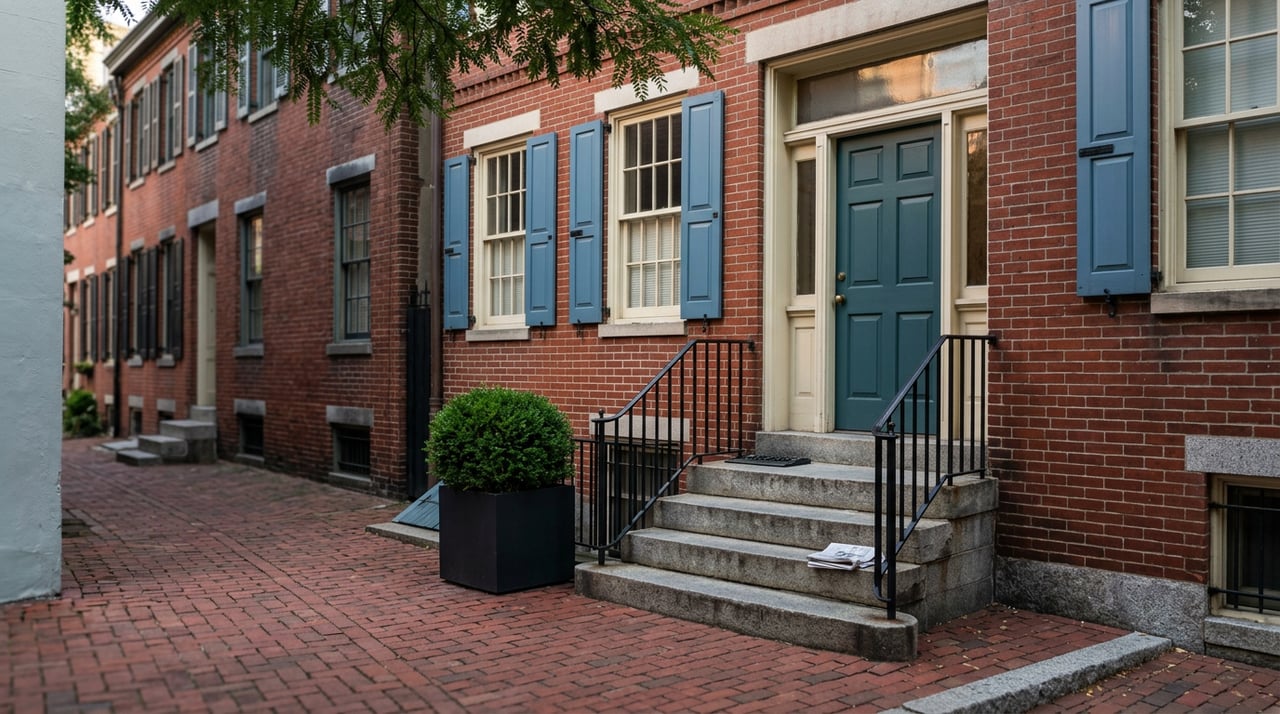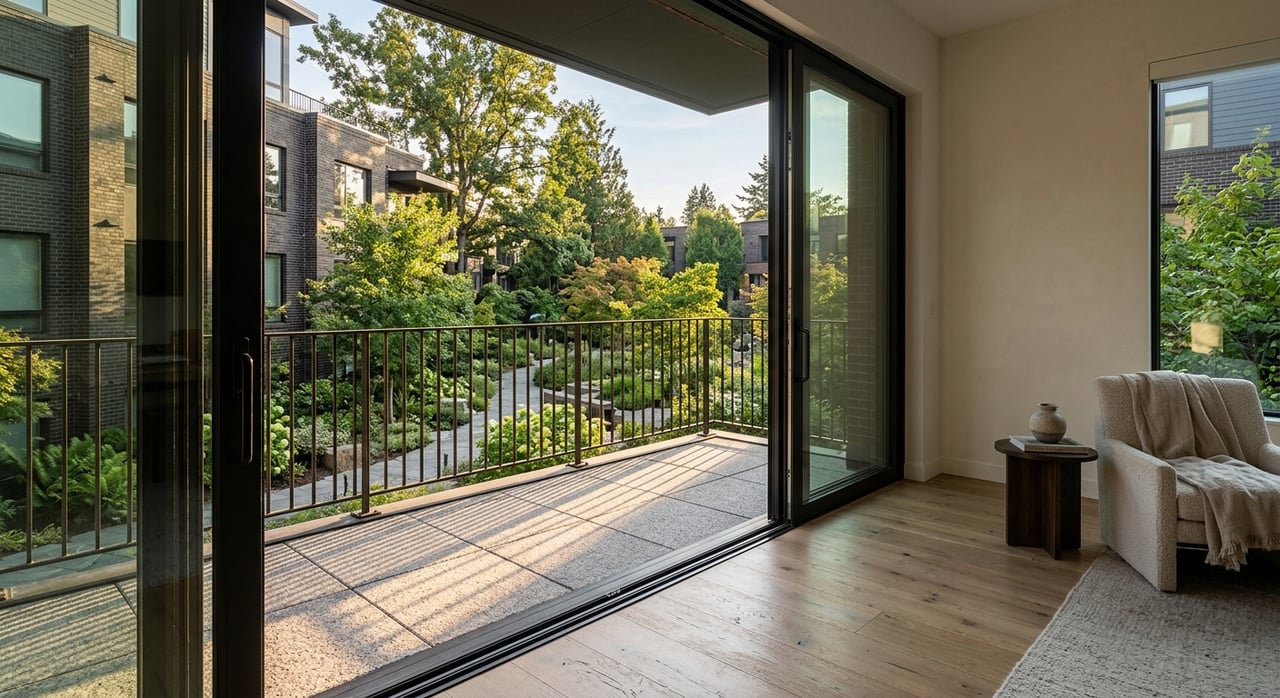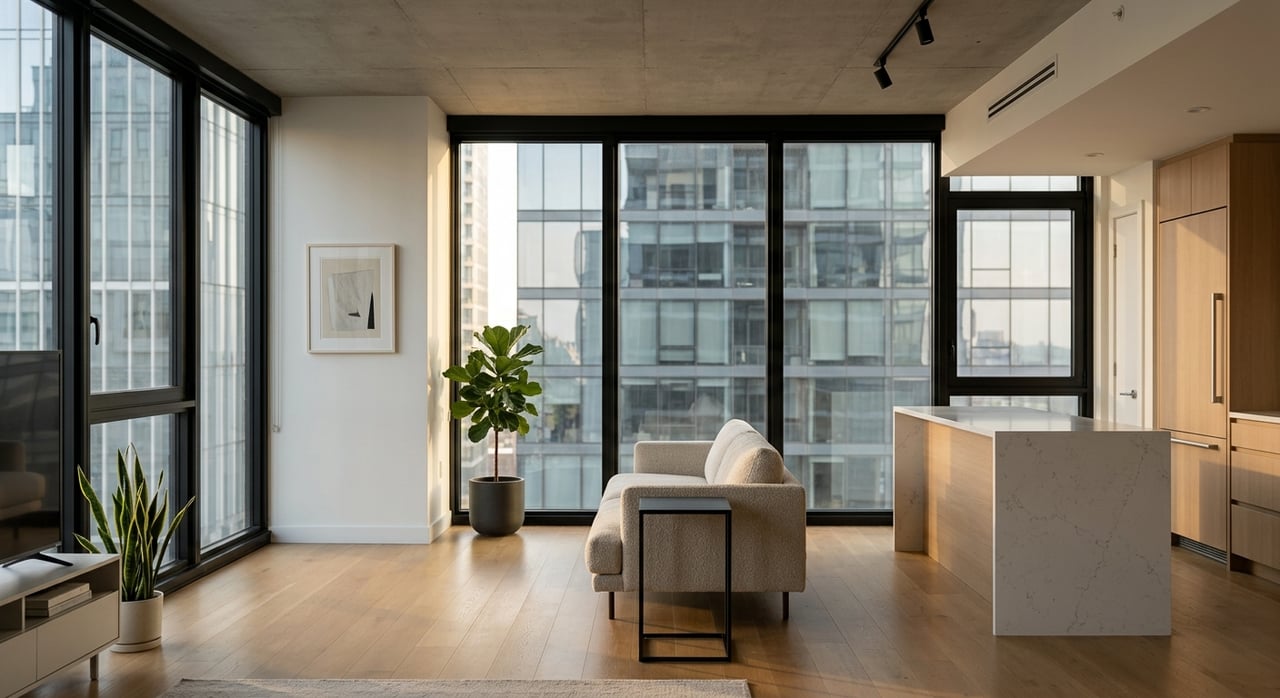
If you want a Boston condo that puts transit, dining, work, and daily convenience at your doorstep, Midtown’s high-rise district deserves a close look. This part of 02110 is less about traditional neighborhood patterns and more about full-service living, walkability, and access to the core of the city. If you are weighing whether a Midtown tower fits your lifestyle and budget, this guide will help you focus on what actually matters before you buy. Let’s dive in.
Why Midtown Appeals to Buyers
According to the City of Boston’s Downtown overview, Downtown is the city’s historic core and a concentrated live-work-play district with condos, apartments, theaters, restaurants, cafes, waterfront access, Boston Common, the Rose Kennedy Greenway, and major pedestrian activity around Downtown Crossing. In practical terms, that means you are buying into convenience first.
For many buyers, that convenience is the whole point. In Midtown, you are usually trading private outdoor space and a quieter block pattern for proximity to offices, restaurants, retail, and building services. If your priority is to simplify daily life, that trade can make a lot of sense.
Transit Access Is a Major Advantage
One of Midtown’s biggest strengths is transportation. The Downtown Boston public transit network includes major MBTA access points at Downtown Crossing, Park Street, Government Center, State Street, and South Station, with South Station also connecting you to commuter rail and Amtrak. Downtown waterfront access also includes ferry options.
That level of connectivity can shape your condo search more than you might expect. If you travel often, commute across Greater Boston, or simply want to move around the city without relying on a car, Midtown offers a level of access that is hard to match. The City is also redesigning parts of Downtown Crossing and surrounding corridors to improve walking, lighting, transit access, and bike-pedestrian safety.
What Midtown Towers Typically Offer
Midtown’s condo market is defined by full-service towers rather than standard condo buildings. That distinction matters, because the lifestyle and monthly costs can look very different from what you might see in a smaller brownstone or mid-rise building elsewhere in Boston.
At Millennium Tower Boston, the building markets a 60-story residential tower with a 23,000-square-foot amenity level, a 75-foot indoor lap pool, a resident fitness center, an owner’s lounge, private dining, resident programming, and services that include valet, doorman, and concierge. The Millennium Residences at Winthrop Center describe more than 56,000 square feet of resident amenities, including a 35th-floor club, lap pool, fitness offerings, pet-focused amenities, a social calendar, concierge service, door attendant support, and 24-hour valet.
At the newer end of the market, South Station Tower residences market nearly an acre of elevated outdoor space at the Sky Park level, a 36th-floor club, indoor and outdoor amenities, reserved garage parking, EV charging, and full staffing and service. As you compare buildings, the key question is not just whether a tower is luxurious. It is whether the building’s service model matches how you actually want to live.
Condo Fees Need a Closer Look
In Midtown, condo fees are often substantial, so you want to understand them early. Fannie Mae explains that condo fees typically cover exterior and common-area maintenance and may also include water, sewer, trash, recreational amenities, insurance, and reserve funding. The CFPB guidance referenced by Fannie Mae also notes that owners still need their own unit coverage, even when a master policy covers common areas.
Public listing examples in Midtown towers show just how much fees can vary by unit. Sample listings in Millennium Tower show monthly HOA dues from $1,290.18 to $2,974 and $3,964.50, while sample Winthrop Center listings show HOA figures around $1,163 to $1,175 for smaller homes. These are illustrative examples only, not building-wide averages, but they show why you should review the fee structure unit by unit.
What to Ask About HOA Costs
Before you make an offer, confirm what the monthly fee actually includes.
- Building staffing and concierge services
- Amenity access
- Reserve funding
- Insurance for common areas
- Utilities included in the fee
- Parking, if any
- Any current or planned special assessment
Two condos in the same tower can carry very different monthly costs depending on size, services, and parking arrangements. That is why a fee should never be judged in isolation from the specific unit and what comes with it.
Parking Can Change the Value Equation
Parking is one of the most important variables in Midtown, and it is not consistent from one building to another or even one unit to another. Sample listings show that one Millennium Tower home includes two valet parking spots, while another references parking among association amenities. A Winthrop Center listing shows parking as rented, while South Station Tower is marketing reserved garage spaces with EV charging.
That means you should verify every detail. Ask whether parking is deeded, assigned, rented, valet-based, leased separately, or subject to a waitlist. In a dense downtown setting, parking can meaningfully affect both your monthly carrying costs and your day-to-day convenience.
Views and Light Matter More Than You Think
In Midtown, the tower name alone does not tell you enough. Views are often stack-specific, floor-specific, and exposure-specific. Millennium Tower Boston notes that many residences have views of Boston Common and the city, but not all units share that exposure.
Winthrop Center residences market panoramic skyline, river, and harbor views, while its residence features highlight floor-to-ceiling windows, Low-E glazing, and minimum 11'4" ceiling heights in principal rooms. South Station Tower also markets different directional exposures and places living and dining spaces along the perimeter to optimize light and views.
In a dense downtown environment, those details can have a real impact on both value and how a home feels. Higher floors, corner placements, and broader view corridors will often command a premium. Just as important, two units in the same building can live completely differently depending on what they face and how much natural light they capture.
What to Compare on a Tour
When you tour a Midtown condo, focus on the actual unit rather than the brand of the building.
- The real view corridor from that specific stack
- Corner versus interior placement
- Whether the home has one or two exposures
- Window size and glazing
- Ceiling height and overall sense of volume
- Any current or possible future view obstruction nearby
This is one area where a detailed, practical approach matters. A polished lobby can make a strong first impression, but your day-to-day experience will be shaped more by light, layout, exposure, and privacy inside the unit.
How Midtown Compares to Nearby Areas
If you are choosing among central Boston neighborhoods, Midtown is useful to compare side by side with a few nearby options. Based on the City’s neighborhood descriptions, each area offers a different type of urban living.
Back Bay Offers Historic Character
The City of Boston describes Back Bay as a protected historic district known for notable architecture, retail, dining, and landmarks such as the Boston Public Library and Trinity Church. Compared with Midtown, Back Bay generally feels more historic and less centered on modern full-service tower living.
South End Feels More Neighborhood-Scaled
The South End is described by the City as a landmark district with Victorian brownstones, parks, an arts community, and restaurant-heavy corridors. Compared with Midtown, it is less tower-centric and more neighborhood-scaled in feel.
Chinatown and Leather District Feel Different
The Chinatown and Leather District area is described as dense, active, and closely connected to Downtown, the Theater District, the waterfront, and South Station. The Leather District in particular is known for former warehouse buildings and loft-style living, which creates a very different housing experience from a full-service glass tower.
Wharf District Leans Waterfront
The Wharf District is more oriented to the Greenway and waterfront access. If your priority is harbor adjacency, it may be a better fit, but it still offers a different day-to-day experience from Midtown’s office-core convenience and concentration of luxury towers.
A Practical Midtown Buying Checklist
When you buy in a Midtown high-rise, you are not just buying square footage. You are also buying into a building, an operating structure, and a service model. That is why your due diligence should go beyond finishes and views.
Fannie Mae’s condo-buying guidance recommends reviewing the physical condition of the community, its financial stability, any outstanding debts tied to structural issues, pending lawsuits, required inspections, special assessments, and reserve funding. It also emphasizes the importance of understanding the association before you commit.
Questions to Answer Before You Offer
- What exactly is included in the monthly HOA fee?
- Is there any current or planned special assessment?
- How strong are the reserves?
- What does the master insurance policy cover?
- Is parking included, rented, assigned, or waitlisted?
- What is the true view and light from this specific unit?
- How quickly can you line up financing if your offer is accepted?
For many buyers, the biggest mistake is comparing Midtown condos only on price per square foot. In this market, building amenities, fee structure, parking, staffing, and exposure can matter just as much as unit size.
The Bottom Line for 02110 Buyers
If your priority is convenience, service, and access to the center of Boston, Midtown can be an excellent place to buy. It offers a style of living built around transit, restaurants, retail, and full-service residential towers, which makes it very different from more traditional housing areas nearby.
The key is to evaluate each condo as its own package. In Midtown, the best purchase is not always the one with the flashiest brochure. It is the one where the building, fee structure, parking setup, views, and day-to-day livability all line up with how you want to live. If you want help evaluating Midtown towers with a more strategic, detail-driven approach, Joe DeAngelo - New Website - SoWa can help you compare the variables that really affect value.
FAQs
What makes Midtown Boston condos different from other central Boston condos?
- Midtown Boston condos are often located in full-service high-rise towers with amenities, staffing, and strong transit access, which creates a different lifestyle from brownstones, loft buildings, or smaller condo associations in nearby areas.
What do Midtown Boston condo fees usually cover?
- According to Fannie Mae, condo fees often cover common-area maintenance, exterior repairs, water, sewer, trash, insurance for common areas, recreational amenities, and reserve funding, but you should confirm the details for each specific unit and building.
Why is parking so important when buying in Boston’s 02110 district?
- Parking in Midtown can be deeded, rented, valet-based, separately leased, or unavailable, so it can significantly affect both monthly costs and convenience.
Why do views vary so much in Midtown Boston high-rises?
- Midtown is a dense urban district, so a condo’s view depends heavily on its floor, stack, orientation, corner placement, and nearby buildings rather than just the tower name.
What should you ask before buying a condo in a Boston luxury tower?
- You should ask about HOA inclusions, reserve strength, special assessments, master insurance coverage, parking terms, financing timing, and the actual light and views from the specific unit you plan to buy.