Picture yourself stepping through a grand brownstone entry, sun pouring across tall parlor windows and original mantelpieces. If you are drawn to Back Bay’s classic streets, you are not alone. The neighborhood’s brownstone condos offer historic character, vertical living, and a central Boston lifestyle that is hard to beat. In this guide, you will learn what “brownstone” means in Back Bay, how typical layouts live day to day, what to expect from renovations and approvals, and how transit, parking, and flood risk factor into your decision. Let’s dive in.
Back Bay brownstone basics
Back Bay was planned and built in the late 19th century on filled tidal flats, and today much of it falls within the Back Bay Architectural District. The district’s cohesive streetscape is intentional, from stoops and cornices to consistent setbacks. That historic context shapes how buildings look and how owners may update them. You can review the district’s scope and standards through the city’s official materials on the Back Bay Architectural District.
When people say “brownstone” here, they usually mean a 19th‑century townhouse: narrow frontage, a raised stoop to a grand parlor floor, bay or bow windows, and a deep lot. Many façades are brick with brownstone trim, plus granite steps and cast‑iron railings. Expect beautifully layered blocks that feel unified from one house to the next.
Architecture and period details
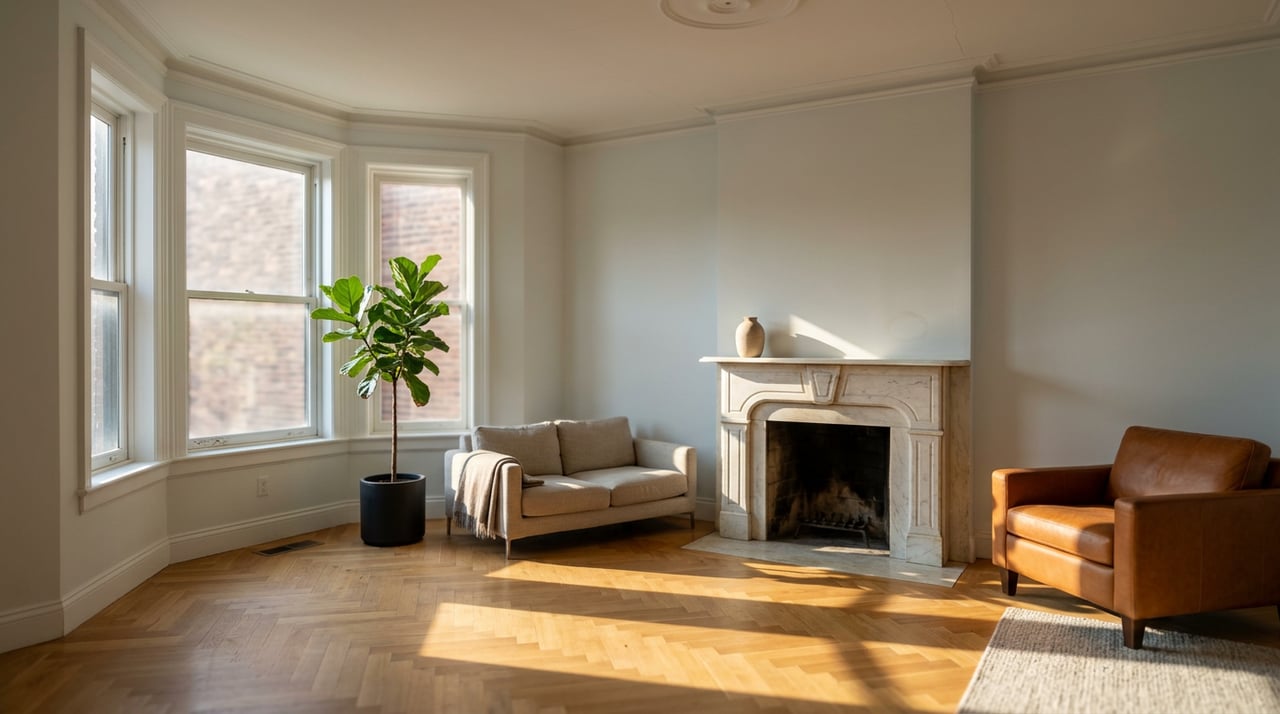
Inside, the appeal starts with scale and light. Parlor levels often have the highest ceilings and tall windows, which make everyday living feel generous. You will often find period mouldings, fireplace mantels, pocket doors, and built‑ins that tell the home’s story. Preserved details tend to be prized, while sensitive upgrades make life more functional without losing character.
Older townhouses also bring practical quirks. Floor plates are narrow and deep, which can limit closet space. Original staircases can be steep or tight, so consider how you entertain, move furniture, and use strollers or sports gear. Many conversions add smart storage and reworked kitchens to fit modern needs.
Layouts that shape living
Parlor, garden, and upper floors
Brownstones organize life vertically. The parlor level sits just above the stoop and is often the main entertaining floor with ceilings commonly over 10 feet. Garden or English basement levels sit partially below grade and may host kitchens, family rooms, or smaller units with separate entries. Upper floors are typically bedroom levels, and some attics are converted to storage or additional rooms subject to local approvals.
Common condo types
- Full‑floor condos: A single level, often appealing if you prefer one‑level living.
- Duplex or triplex condos: Garden plus parlor or parlor plus upper floors for separation of spaces.
- Garden‑level studios and one‑bedrooms: Compact, with some having private entries and outdoor space in areaways.
- Whole‑building ownership: Still found, though less common than condo conversions.
These choices affect everything from noise and privacy to accessibility and daily routines. Think about whether you want the drama of the parlor level, the convenience of the garden level, or the quiet of upper floors.
Light, ceilings, and stairs
If daylight and volume are top priorities, focus on parlor floors and upper levels with bay windows or skylights. Garden levels can feel more grounded and practical but may be darker without light wells. Consider the number of stairs between key rooms and how that fits your lifestyle.
Renovation and approvals
Three common upgrade paths
Owners typically take one of three approaches:
- Preservation‑oriented restoration: Repair and retain original plaster, mantels, staircases, and sash where feasible.
- Transitional upgrades: Keep most period details while opening the kitchen and adding modern lighting and appliances.
- Full‑gut rework: Reconfigure layouts and install new mechanical, electrical, and plumbing systems for a more contemporary plan.
Each path has a different cost, timeline, and permitting profile. Your scope should align with how you live today and what the building can support.
What BBAC reviews
Back Bay’s historic status means exterior changes require review. The Back Bay Architectural District Commission (BBAC) must approve proposed exterior work, including windows, stoops, rear façades, roof decks, and landscaping. BBAC approval then supports your application for city building permits with Inspectional Services. Knowing this process and its timelines helps you plan. Read the city’s guidance on the Back Bay Architectural District.
Cost drivers to plan for
Historic buildings can have hidden conditions and specialty trades, which add cost. Planning‑level guidance from contractor sources suggests:
- Façade and stone repair: Repointing and brownstone or cornice repair can range from low‑tens of thousands into six figures depending on height, access, and scope. See typical brownstone façade considerations from a contractor overview of brownstone renovation.
- Window restoration vs replacement: Historically sensitive restoration is often cheaper than fully custom historic‑match replacements. Custom sash units can exceed about $2,000 per window, depending on specification and review.
- Full‑gut renovations: Broad rework that includes structure, systems, and high‑end finishes often falls roughly between $200 and $700+ per square foot based on scope. For a discussion of drivers and ranges, review this contractor write‑up on full‑gut renovations.
- Elevator addition: Retrofitting a small residential elevator frequently ranges from around $25,000 to $100,000+ depending on shaft construction, structure, and inspections. Learn more about typical home elevator costs.
Plan conservatively and allow contingency for concealed issues like old wiring, lead paint, asbestos, and water management. Confirm early what needs BBAC review in addition to city permits.
Lifestyle, transit, and parking
Walkability and daily life
Back Bay is one of Boston’s most walkable areas. You are close to Newbury Street shopping, Copley Square, the Public Garden, and the Charles River Esplanade. The neighborhood overview at the Boston Planning & Development Agency highlights access and amenities within Back Bay.
Transit for easy commuting
The Green Line at Copley and the Orange Line at Back Bay Station connect you to most of the city, and commuter rail and Amtrak service run from Back Bay Station. Many residents choose a car‑light lifestyle because daily errands and dining are a short walk or train ride away.
Parking realities
On‑street parking follows Boston’s resident‑permit system. If you plan to rely on street parking, you will need a resident parking permit and should understand local limits and enforcement. Deeded on‑site parking is limited and commands a premium when available, so some owners lease spaces in nearby garages. Review eligibility and steps for resident parking permits.
Flood risk, filled land, and resilience
Back Bay sits on historic fill, which is part of its story and a factor in today’s resilience planning. Filled areas in Boston can face higher vulnerability to coastal and stormwater flooding over time, and the city’s Climate Ready Boston work addresses these risks. For a deeper look at planning efforts, explore Boston’s coastal resilience planning. If you are considering a garden or basement‑level condo, evaluate moisture management and any water‑proofing improvements, and review FEMA flood maps with your inspector and insurance advisor.
Buyer checklist for brownstone condos
Use this checklist to focus your due diligence and save time:
- Title and condo governance: Read the master deed, bylaws, recent meeting minutes, and reserve statements. Massachusetts condominum governance falls under Chapter 183A, summarized here: condominiums and cooperatives.
- BBAC history and exterior condition: Inspect the façade, stoop, cornice, gutters, and ask for records of BBAC approvals for any exterior work. Confirm prior work was reviewed and permitted through the Back Bay Architectural District.
- Roof and deck rights: Verify roof access, deck rights, and whether any deck is fully permitted. BBAC oversight affects feasibility and rail details.
- Parking and storage: Confirm deeded parking or storage. If none, map nearby garages and refresh yourself on resident parking permit rules.
- Mechanical systems: Identify heating type, electrical panel capacity, and whether the unit has central AC or mini‑splits. Ask about permit history for recent HVAC or electrical work and scan for guidance on older building systems, like this local energy survey write‑up on systems and efficiency.
- Light, circulation, and accessibility: Check stair counts and steepness. Decide whether parlor‑level light or garden‑level convenience better fits your routine.
- Moisture and below‑grade spaces: Inspect garden and basement areas for dampness, sump equipment, and any water intrusion history. Back Bay’s fill and older drainage can make moisture control important, as noted in the neighborhood context at Back Bay.
- Historic finishes and feasibility: If original details matter to you, confirm the condition of woodwork, plaster, and windows. Ask your advisor how BBAC typically views replacement materials for similar homes.
- Cost and timeline realism: Build a conservative renovation budget with contingency and plan for the added time that BBAC and city permits can add to a schedule.
Pricing context to set expectations
Back Bay is a high‑value, central Boston market with a mix of luxury condos and historic brownstones. Recent aggregator snapshots through early 2026 placed typical neighborhood values around the low‑million range, often between roughly 1.1 and 1.3 million dollars, though figures shift month to month. Parlor‑level condos with intact historic detail and higher ceilings often command a premium over garden‑level units, and larger full‑floor or multi‑level homes carry higher absolute prices due to square footage. Use current comps with your agent to confirm pricing for your specific block, floor, and finish level.
Work with a local advisor
Back Bay brownstone condos reward thoughtful planning. If you clarify which floor level you prefer, how many stairs you want to live with, and your appetite for renovation, you can target the right buildings and act with confidence. A hands‑on advisor can help you read condo documents, confirm BBAC and permit history, and stress‑test your budget against likely upgrade paths.
If you are ready to zero in on the best options for your lifestyle, connect with Joe DeAngelo - New Website - SoWa for local guidance, curated tours, and a smooth path from first showing to closing.
FAQs
What is a parlor‑level condo in Back Bay?
- It is the main floor above the stoop with the highest ceilings and tall windows, often used for living and entertaining.
How do BBAC approvals impact a remodel in the Back Bay Historic District?
- Any exterior change usually needs BBAC review first, then you use that approval to apply for city building permits.
Are roof decks allowed on Back Bay brownstones?
- Some buildings have permitted roof decks, but new or modified decks typically require BBAC review and must meet safety and visibility standards.
What should a Back Bay condo buyer know about parking?
- On‑street parking uses a resident‑permit system, deeded spaces are limited and costly, and many residents lease garage spaces or live car‑light.
How much does it cost to add an elevator to a brownstone?
- Typical retrofit costs often range from about $25,000 to over $100,000 depending on structure, shaft work, and inspections.
Do garden‑level units in Back Bay have higher moisture risk?
- Below‑grade spaces can be more vulnerable, so inspect for dampness, sump systems, and past water intrusion and plan for robust moisture control.