What happens when a federal financing rule and a shaky-looking price chart both point to the same fault line running through one neighborhood?
Four weeks ago, on August 3, Fannie Mae and Freddie Mac retired the abbreviated review options that had let lenders finance most condo purchases without digging into the building's finances. The change draws a hard line at unit count. Buildings with more than ten units now require a Full Review, meaning the lender examines the condo association's reserves, insurance, and repair history before approving your loan. Buildings with ten units or fewer can skip project review almost entirely, provided the building isn't flagged as unavailable in Fannie Mae's system, isn't a hotel or timeshare conversion, and carries adequate insurance. There's a narrower rule for the five-to-ten-unit band too: those buildings can't be part of a larger master association if they want the streamlined pass.
That single number, ten units, happens to run straight through the middle of the North End's housing stock. And it's the same number that explains why this year's condo price data for the neighborhood looks like a crash when the underlying market doesn't behave like one.
The Line That Now Decides How Hard Your Loan Is
Before August 3, a buyer with a strong down payment could often finance a condo purchase without the lender scrutinizing the building itself. That flexibility is gone. Now the size of the building you're buying into determines how much paperwork, and how much risk assessment, stands between your offer and your closing.
For a buyer, this isn't an abstraction. If you're under contract on a unit in a building with 11 or more units, expect your lender to request the association's budget, its reserve study, its insurance certificates, and a look at whether any single owner holds more than 10 percent of the units. If you're buying into a six-unit building, that request list often disappears.
North End Buildings Sit on Both Sides of That Line
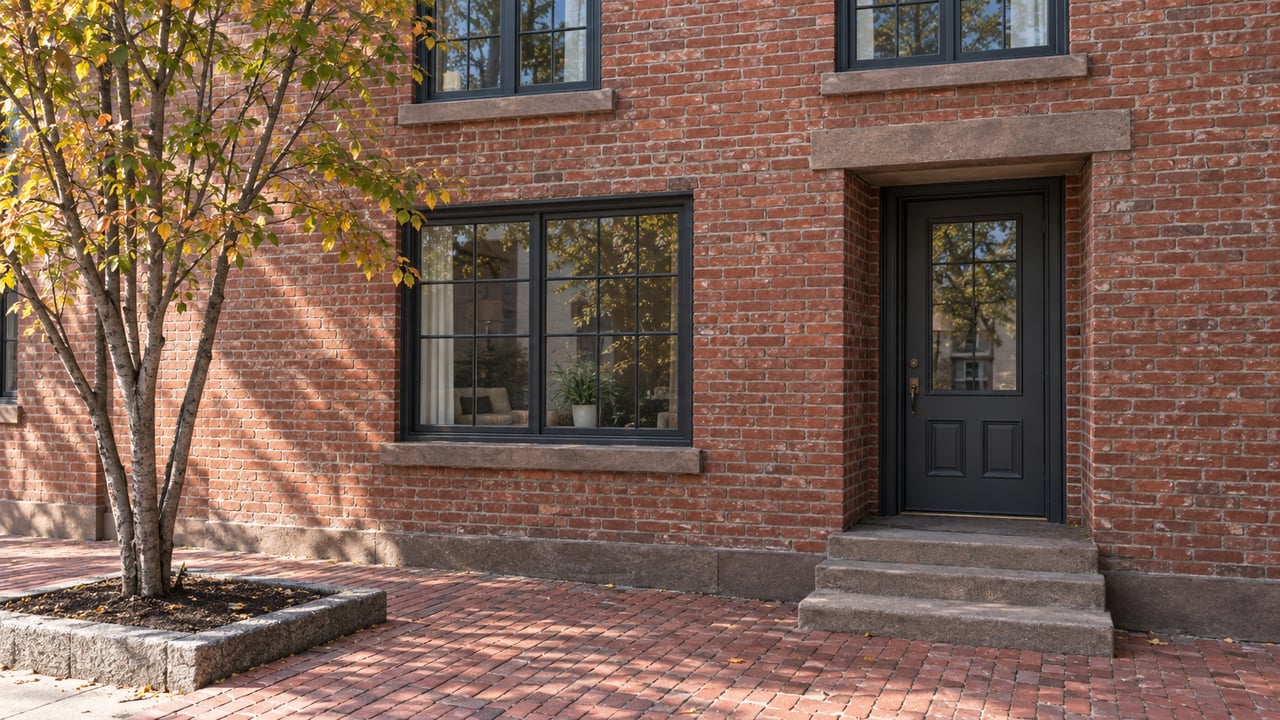
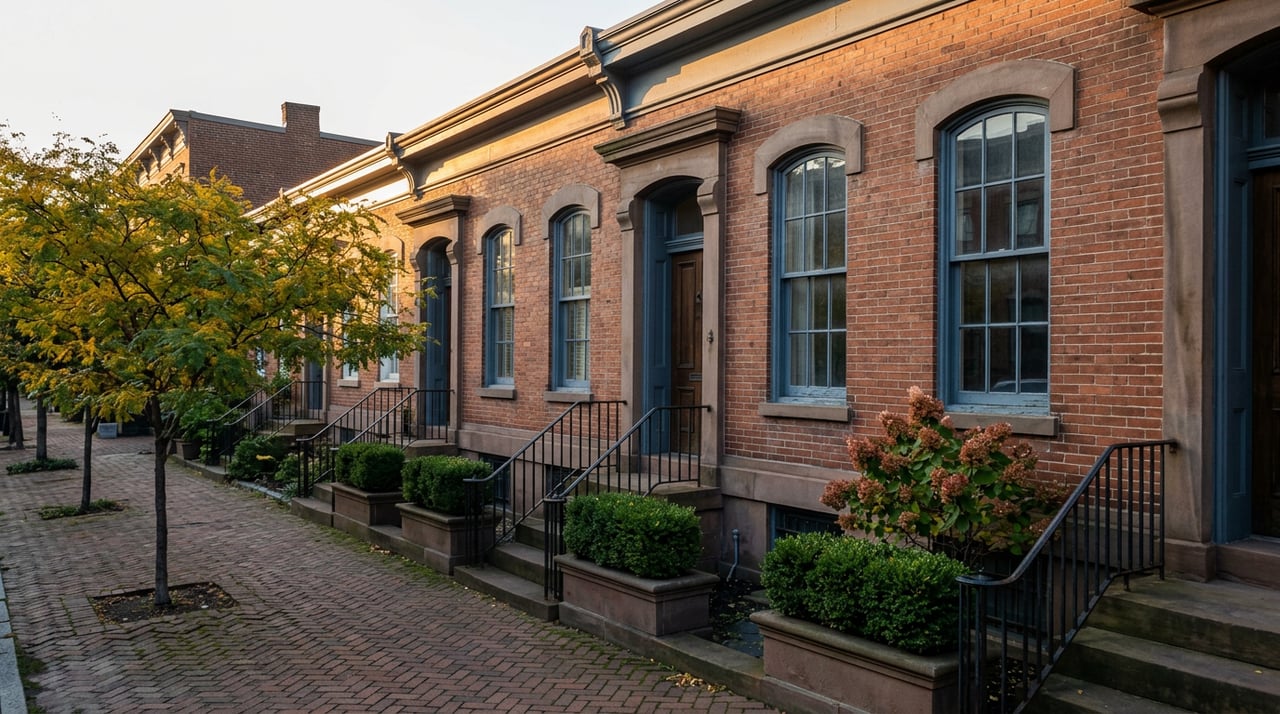
The North End's housing stock didn't grow up as a single product. Most of the neighborhood is small: brick rowhouses and low-rise walk-ups cut into two, three, and four-unit condominiums, the kind of building that predates zoning categories built for towers. Layered into that same few blocks are a handful of large-scale wharf conversions built for an entirely different kind of buyer, with unit counts that put them well past the ten-unit threshold.
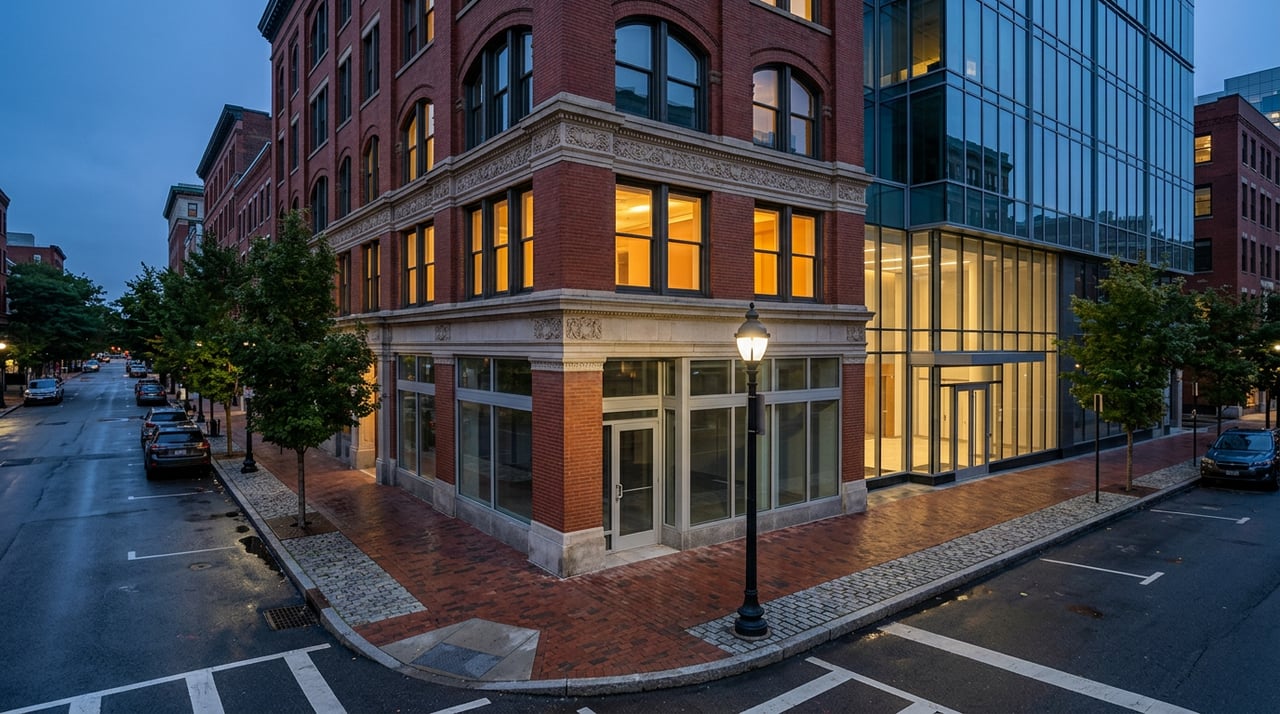
Lincoln Wharf, the converted 1901 waterfront building on Commercial Street, carries 191 units. Battery Wharf, adjacent to the Fairmont hotel, is large enough to offer buyers 18,000 square feet of shared spa and gym space and the option to purchase dock rights. Burroughs Wharf and similar waterfront buildings sit in the same category. All of them will need a Full Review under the new guidelines going forward.
Meanwhile, new construction at 14 North Bennet Street, a boutique building of six residences marketed as move-in ready, sits comfortably under the ten-unit line. Two buyers shopping the same zip code this fall, one at a wharf tower and one at a six-unit new build a few blocks inland, are now underwriting two different transactions before they ever compare notes.
| Building | Approximate Units | Era | Review Standard After August 3, 2026 |
|---|---|---|---|
| 14 N Bennet Street | 6 | New construction | Can skip project review |
| Lincoln Wharf | 191 | Converted 1987 | Full Review required |
| Battery Wharf | Large-scale, hotel-adjacent | Modern | Full Review required |
| Typical North End rowhouse conversion | 2 to 4 | Historic | Can skip project review |
That split in financing exposure lines up almost exactly with the split hiding inside this year's sales data.
The Same Split Is Hiding Inside the Price Chart
Depending on which report you pull, the North End's condo prices look like they fell somewhere between 12 and 21 percent this year. MLS data covering the North End through early June 2026 put the average condo sale at $838,000 year to date, down from $956,000 over the same window a year earlier. A separate neighborhood breakout from Redfin, using August 2025 figures, showed a median of $786,000, down 15.7 percent year over year. Redfin's narrower "North End/Waterfront" cut, which leans harder into the luxury wharf buildings, showed a median of $738,000 over the same month, down 20.9 percent.
Those are real numbers. What they aren't is a consistent story, because each one is describing a different, tiny population of transactions.
A neighborhood that closes fifteen condos in five months doesn't have an average price. It has a sequence of coincidences dressed up as a trend.
The MLS report covering the North End through early June logged only 15 closed sales for the entire year to date. That's not a typo, and the report itself flagged it, publishing the underlying transaction counts specifically so readers could judge how much signal exists in a given year's figures. When your sample size is 15, a couple of $2 million wharf-view units closing in one reporting window and not the next can swing the neighborhood-wide average by six figures, without a single existing owner's unit actually losing value. The wider "North End" Redfin cut logged 56 sales that August, more transactions than the year before, not fewer, even while the median fell. More sales at a lower median usually means the mix of what sold changed, not that identical units are trading for less.
What the Numbers That Don't Depend on Which Unit Sold Say Instead
If the average sale price is noisy in a market this small, the more reliable read comes from indicators that aren't as sensitive to which specific units happened to close. The same MLS report that showed the average price dropping also showed condos selling at 97.2 percent of list price across those 15 closings, down only slightly from 98.0 percent the year before, with 64 days from listing to accepted offer and 4.7 months of supply. By the report's own glossary, under four months of supply favors sellers and over six favors buyers. At 4.7 months, the North End condo market sits closer to seller-favored territory than buyer-favored, which doesn't square with a neighborhood in genuine decline.
Zoom out further and the picture gets clearer still. Boston's citywide condo market, tracked through a monthly report covering July 2026, showed the median condo price up 0.8 percent year over year with sales volume up 9.1 percent. A neighborhood inside a city where condos are roughly flat to slightly positive doesn't typically post a real 15 to 21 percent value decline in the same stretch. What it can post is a small-sample swing driven by which mix of small walk-ups and large wharf units happened to trade.
What to Ask Before You Write an Offer or List
If you're comparing the North End against another Boston neighborhood on price alone, the headline number is measuring which units sold, not what your unit is worth. Before you anchor a decision to a neighborhood average, ask for the details that actually apply to your building:
- How many units are in the building, and does that number put you above or below the ten-unit financing threshold that took effect August 3, 2026
- How many comparable sales is the neighborhood figure you're looking at actually built on
- What is the price per square foot for buildings of a similar size and era, not the neighborhood-wide average
- If the building has more than ten units, has the association prepared the reserve study and insurance documentation a Full Review will require
- Is the comparable data you're citing pulling from "North End" or the narrower "North End/Waterfront" cut, since the two produce different medians from different populations of buildings
A six-unit rowhouse conversion off Salem Street and a 191-unit wharf tower on Commercial Street are both, technically, North End condos. They are not the same market, and as of this August, they are not the same loan application either.
Find What Your Home Is Worth
Neighborhood averages are a starting point, not an answer, especially in a market this small and this split by building type. If you're weighing a purchase or a listing in the North End, or comparing it against Back Bay, Seaport, or the South End, Joe DeAngelo can walk through the building-specific comps, financing implications, and pricing strategy that the neighborhood-wide number leaves out. Find what your home is worth before the headline number tells you the wrong story.