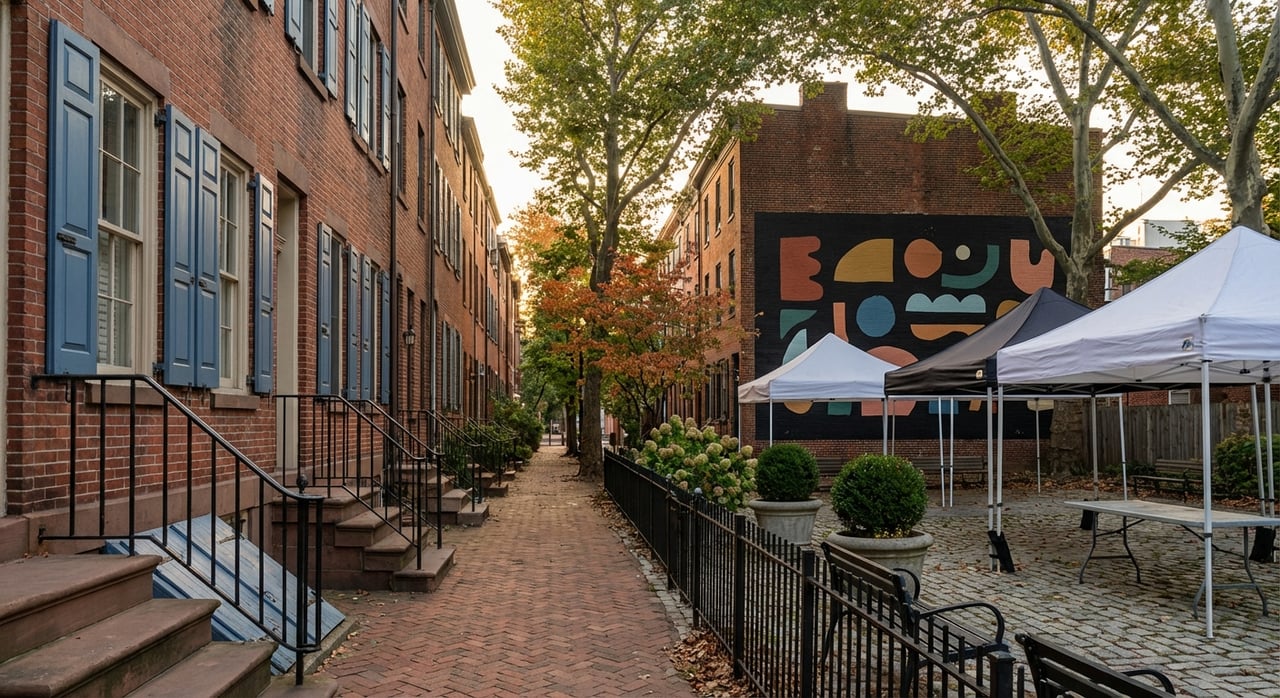
Thinking about making Boston’s South End your home? You are not alone. The neighborhood blends historic brownstones, chef-driven dining, pocket parks, and a creative energy you feel on every block. In this guide, you’ll learn what day-to-day life looks like, the homes you can find, where people gather, and how you can get around without a car. Let’s dive in.
South End at a glance
The South End sits just south of Back Bay and close to Downtown, with Tremont Street, Columbus Avenue, and Massachusetts Avenue acting as its main spines. The City of Boston describes it as cosmopolitan, walkable, and well connected to the city’s core, which tracks with what residents experience on a daily basis. You can walk to errands, cafés, parks, and transit in minutes. For a quick neighborhood overview and city resources, explore the City’s page on the South End.
Historic character and architecture
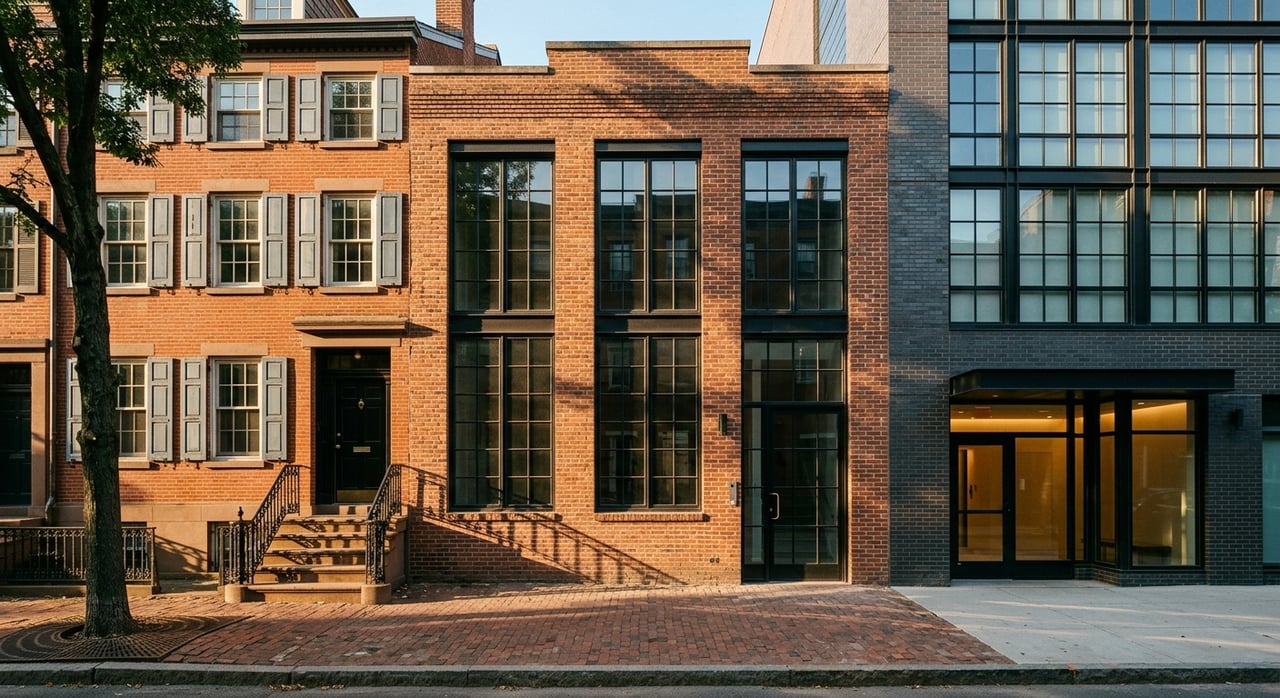
The South End is one of the country’s largest intact Victorian rowhouse districts and has been listed on the National Register of Historic Places since 1973. Brick rowhouses and brownstones line formal residential squares and tree-lined streets, creating a consistent, handsome streetscape that sets the tone of the neighborhood. You can learn more about the district’s historical status on the South End District entry.
What homes look and feel like
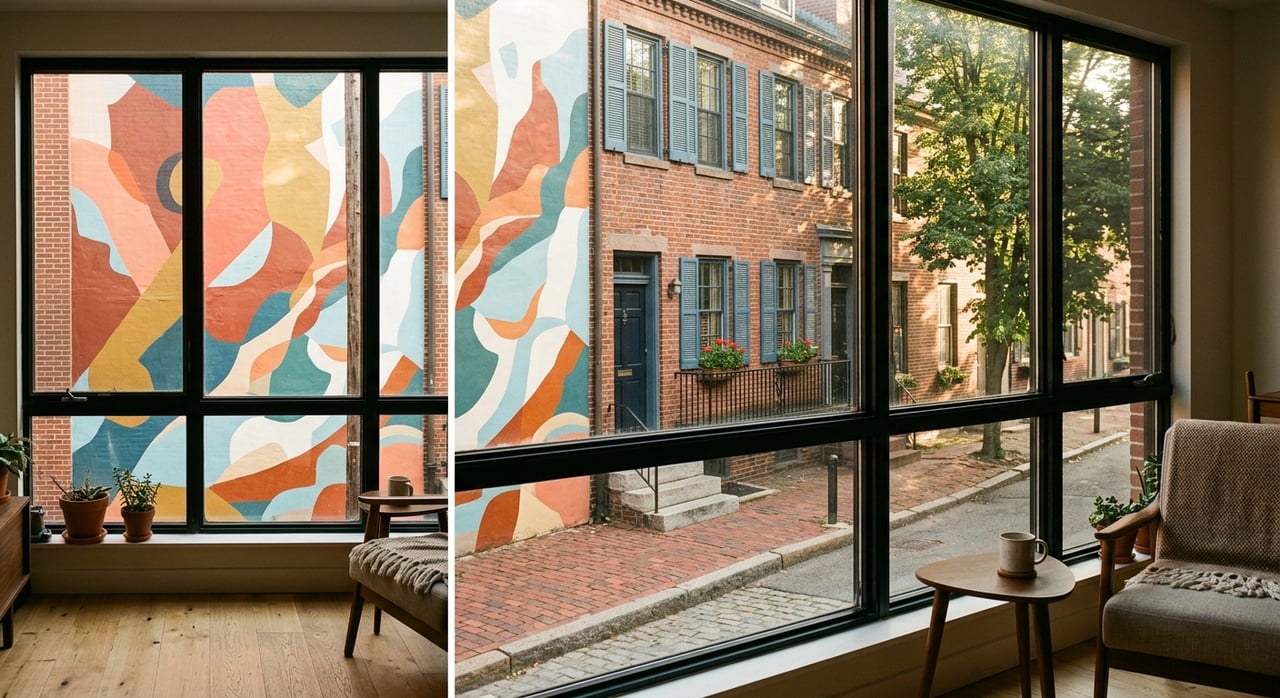
Most buildings date to the mid‑19th century and show Italianate, Second Empire, and Greek Revival influences. Expect details like high stoops, bowfronts, and cast-iron railings that give many blocks their classic Boston look. For a broader description of the neighborhood’s architecture and housing context, see the South End, Boston overview.
SoWa lofts and creative conversions
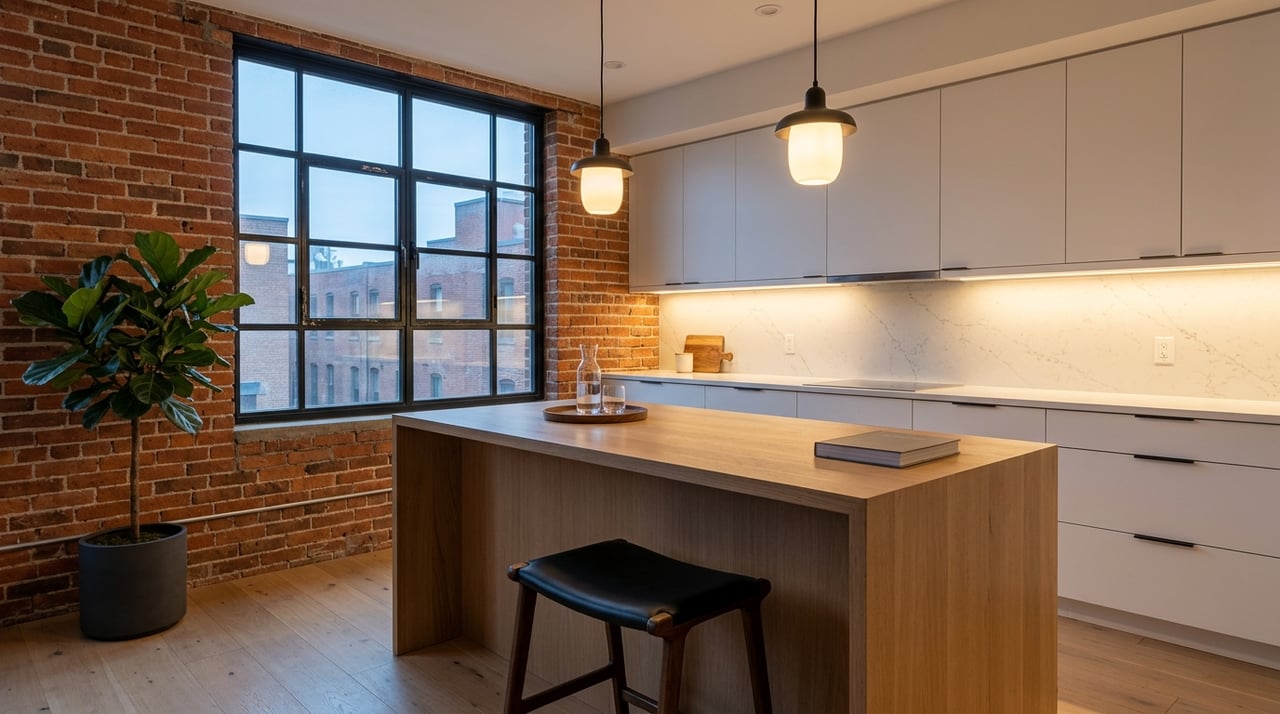
South of Washington Street, the SoWa area flips the script with former factories and warehouses turned into loft condos and studios. Here you find higher ceilings, exposed brick, and open, modern layouts compared with traditional brownstones. SoWa also anchors the arts and design scene. If you want a quick primer on SoWa’s identity, visit the SoWa page.
Common home types you can find
- Brownstone apartments in walk-up buildings, often on a single floor.
- Full-floor or multi-level townhouse condos with private stoops or gardens.
- Loft-style condos in SoWa warehouse conversions with open plans.
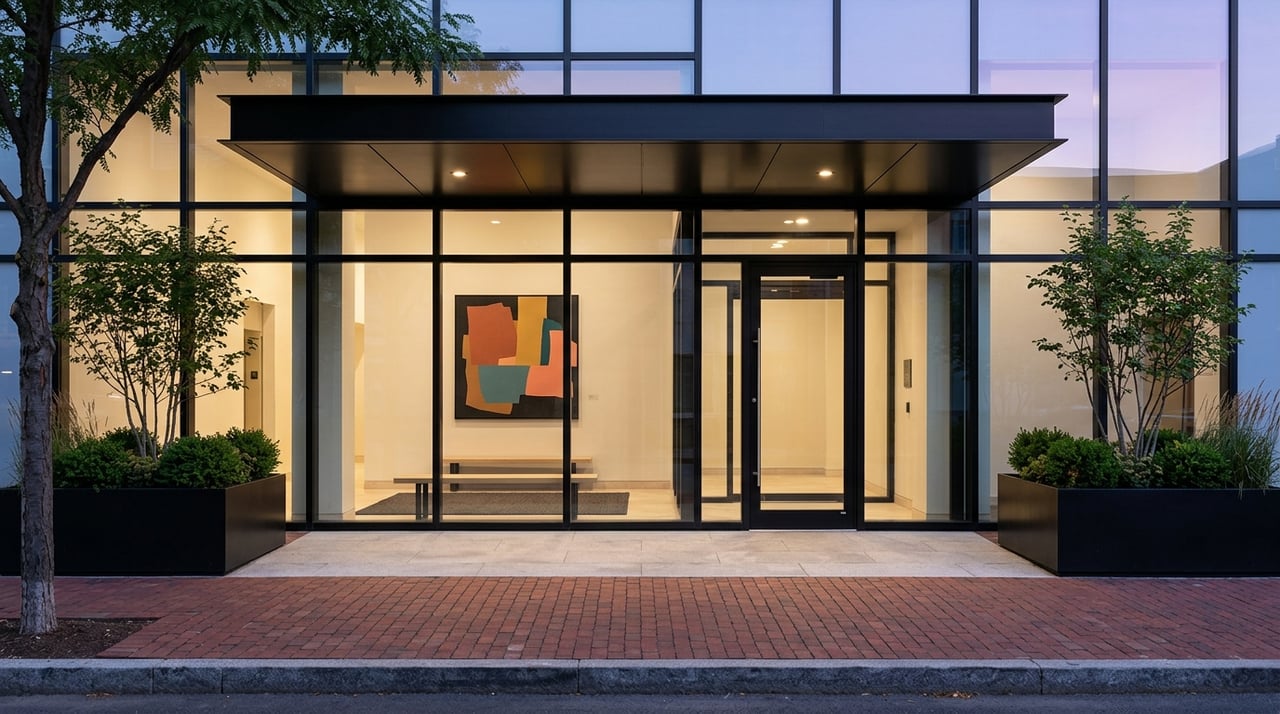
- Newer mid-rise condo buildings near major corridors, sometimes with elevators and garages.
Renovation rules to know
Much of the South End is a locally designated landmark district. If you plan any exterior work on a brownstone or condo building, you will likely need a design review. Before you start a façade or stoop project, review the South End Landmark District guidelines so your plans align with what is permitted.
Parks, paths, and outdoor life
You will notice green spaces tucked throughout the neighborhood. Formal squares like Blackstone and Franklin serve as neighborhood anchors, and Union Park is one of the most picturesque residential squares. Peters Park is a community hub that includes athletic areas and a popular dog recreation space, supported by an active friends group. For current programming and amenities, check the Peters Park site.
If you love to bike, jog, or take long stroller walks, the Southwest Corridor Park is a paved multi-use path that runs north–south and connects you toward Back Bay and Jamaica Plain. Residents use it for daily commutes and weekend loops. Get an at-a-glance view of the route on the Southwest Corridor Park (Pierre Lallement Bike Path) overview.
Daily conveniences and local favorites
You can handle most errands on foot. Specialty shops like Formaggio Kitchen’s South End outpost anchor the neighborhood’s food scene, and you will find small markets and groceries nearby. On weekend mornings, lines often form at Flour Bakery & Café and other coffee spots, where regulars catch up and grab breakfast. Many residents plan their days around short walks to parks, pick-ups at a favorite shop, and dinners along Tremont or Shawmut.
Dining scene: Chef-driven and casual
The South End is widely known for its restaurants, with a concentration along Tremont Street, Shawmut Avenue, and Columbus Avenue. Here you can rotate between chef-driven rooms and casual cafés without repeating a spot for weeks. Locals often cite SRV, Toro, B&G Oysters, and the South End Buttery as go-to names, among many others. The City’s South End page also notes the neighborhood’s strong dining mix and central location, which make dining out an easy part of life.
Arts, markets, and neighborhood energy
The South End’s creative identity runs through the SoWa Art + Design District, where galleries, studios, and showrooms host regular events and open-studio nights. Learn more about this cluster on the SoWa overview. On Sundays from spring through fall, the SoWa Open Market turns parking areas into a lively scene of artists, makers, and local food vendors. It is a favorite neighborhood ritual for many residents. See a recent season preview of the SoWa Open Market for context on how it shapes weekends.
The Boston Center for the Arts (BCA) anchors performance and visual arts programming with gallery spaces, small theatres, and the historic Cyclorama building at 551 Tremont. To get a feel for the range of programming, scroll recent archives on the BCA site.
Getting around without the stress
MBTA access
You can reach several MBTA stations on foot, depending on your block. Back Bay Station connects you to the Orange Line plus multiple commuter rail and Amtrak lines, which makes regional trips practical. Review services and connections on the Back Bay Station overview. Tufts Medical Center station on the Orange Line and nearby Silver Line stops help you reach Downtown and the Seaport.
Biking and the corridor path
The Southwest Corridor path makes biking a natural commute option, and you will find bike docks and racks across the neighborhood. Many residents rely on bike share for quick errands or a pleasant ride to Back Bay and the Fenway.
Driving and parking basics
You are close to the Mass Pike and major city routes. Street parking can be limited on historic blocks, so residents often use a mix of permit parking and paid garages. For local permit details and neighborhood logistics, scan the City’s South End page.
Who lives here and how it feels
The South End draws a mix of people who value city living, design-forward homes, access to parks, and an active dining and arts scene. You will see early risers walking dogs through the pocket parks, friends meeting at cafés, and neighbors running or biking along the corridor path. Evenings are lively around Restaurant Row, with a steady flow of people exploring new menus or returning to favorite spots. The rhythm feels neighborhood-driven during the week and a bit more festive on weekends, especially when SoWa markets are in season.
Buying or renting: What to weigh
If you are exploring homes here, focus on the fit between your lifestyle and a home’s design and location.
- Brownstone apartments: Classic character, walk-up access, and charming architectural details. Expect limited on-site parking in many buildings.
- Townhouse condos: Full-floor or multi-level layouts, often with private outdoor space. Association structure varies by building, so review condo documents closely.
- Loft condos in SoWa: Open plans, exposed brick, and higher ceilings. Natural light and flexible space are highlights, while parking may be limited or garage-based.
- Newer mid-rise condos: Elevator access and modern mechanicals, often near major streets. These can trade a historic façade for convenience and amenities.
Two practical notes apply across the board. First, many historic buildings require exterior design review for visible changes, so plan renovations with the Landmark District guidelines in mind. Second, parking and storage vary widely, so clarify what is deeded, assigned, or available by lease before you commit.
Is the South End a fit for you?
Choose the South End if you want a walkable, design-rich neighborhood where your daily routine can flow between parks, cafés, galleries, and a short commute. Historic brownstones and modern lofts sit side by side, and weekend markets, theatre, and dining keep things interesting year-round. If that balance of character and convenience sounds right, you will likely feel at home here.
Ready to talk listings, timing, and strategy tailored to your goals? Work with a local advisor who pairs design-minded guidance with white-glove execution. Connect with Joe DeAngelo - New Website - SoWa to plan your South End move with confidence.
FAQs
What kinds of homes can I find in Boston’s South End?
- You will see brownstone apartments, townhouse condos, loft condos in SoWa warehouse conversions, and newer mid-rise condo buildings, each with different layouts and amenity profiles.
Is Boston’s South End walkable and transit-friendly?
- Yes. The neighborhood is dense and walkable, with Orange Line access at nearby stations like Back Bay and Tufts Medical Center, plus bus routes and easy bike connections along the Southwest Corridor path.
Where are the parks and dog areas in Boston’s South End?
- Pocket parks dot the neighborhood, with Blackstone and Franklin Squares as anchors; Peters Park offers a dog recreation area and active programming for residents.
How strong is the dining scene in Boston’s South End?
- Very strong. Tremont, Shawmut, and Columbus host a deep mix of chef-driven restaurants and casual spots, and SoWa’s seasonal markets add an extra weekend food and maker culture.
What should I know about renovating a South End brownstone?
- Many blocks fall within the South End Landmark District, so exterior changes typically require design review; review City guidelines before planning any façade, stoop, or window work.
What are my parking options in Boston’s South End?
- Street parking is regulated and limited on many blocks, so residents often combine resident permits with paid garages or leased spaces; always confirm any deeded or assigned parking with a condo.