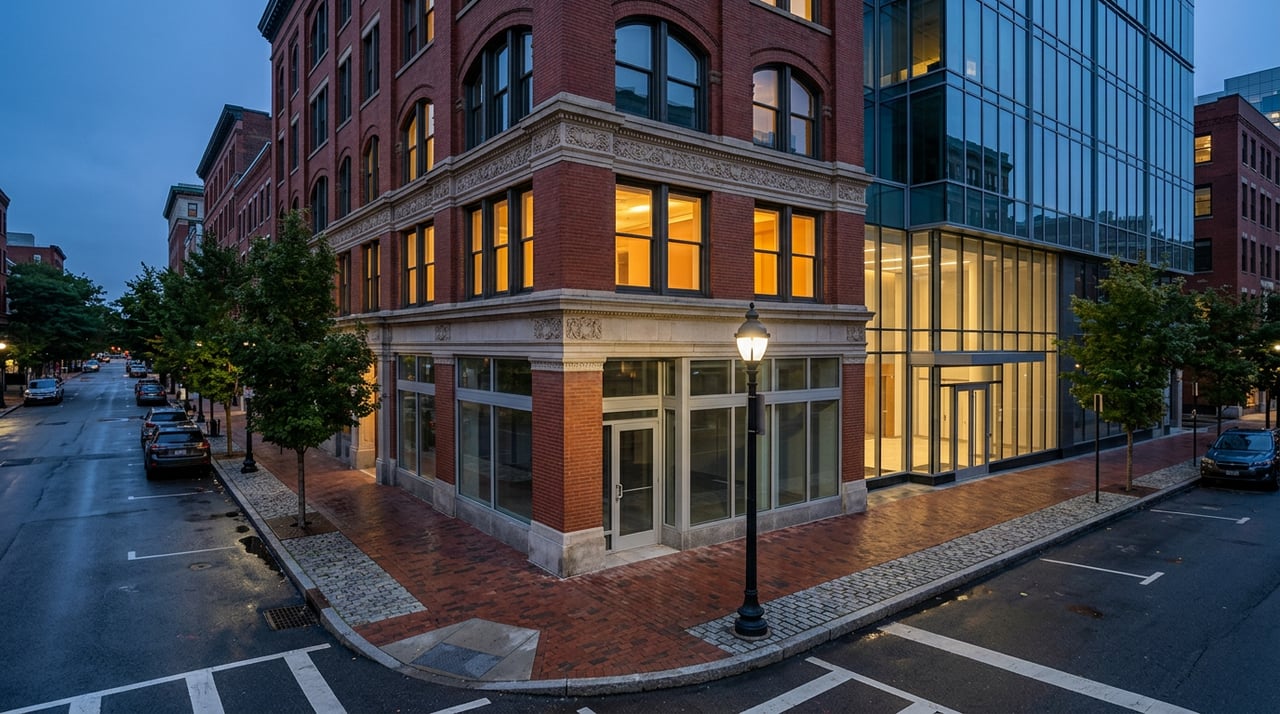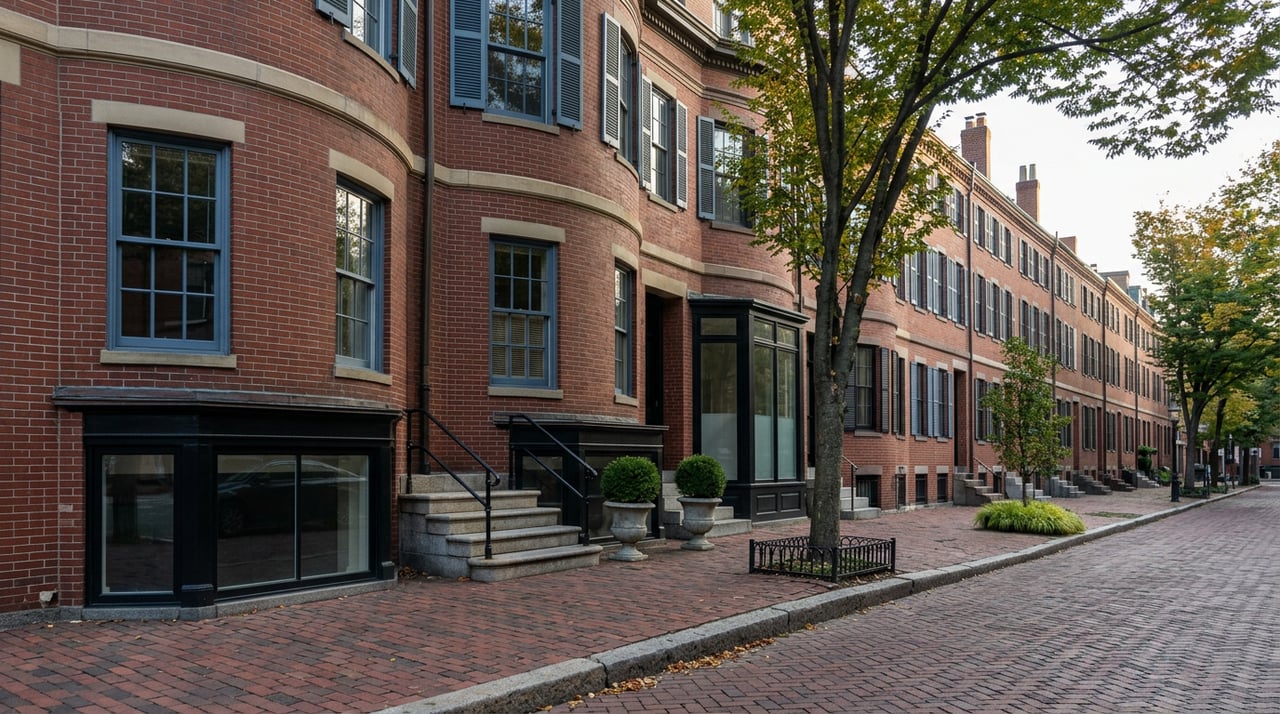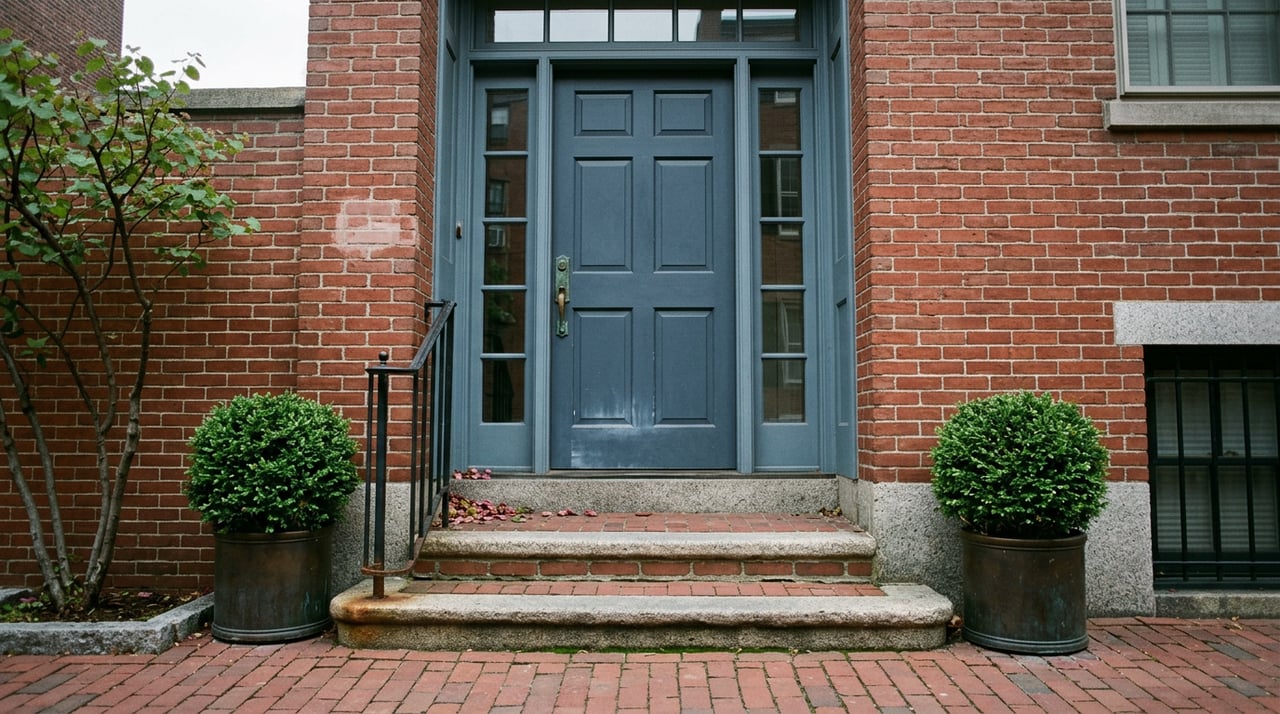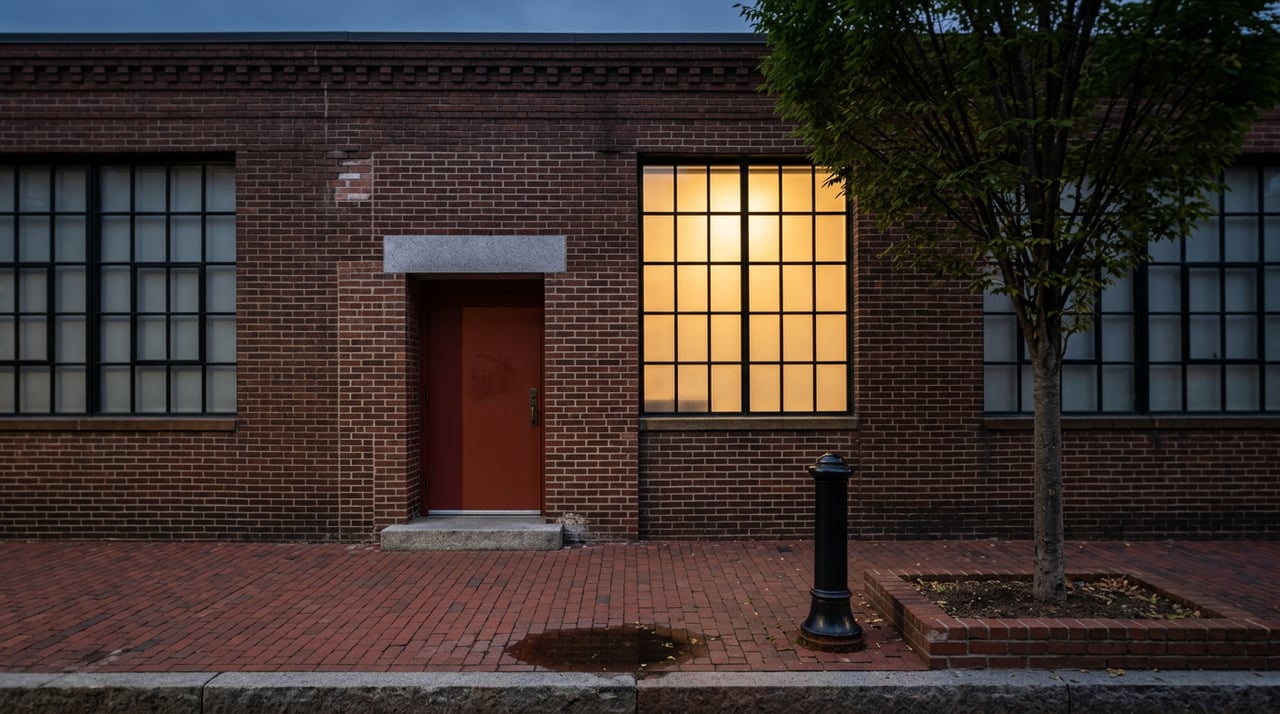
Walk the SoWa Art + Design District on a Sunday afternoon and the lofts start to blur together. Exposed brick, oversized factory windows, polished concrete or bamboo floors, a shared roof deck with a grill nobody ever cleans. Buildings like Laconia Lofts, Dover Lofts, and Harrison Lofts were all built or converted within a few years of each other, and the marketing photos could pass for the same listing shot three different ways.
That visual sameness is the trap. Behind three nearly identical listing photos can sit three legally different products, and the difference only shows up once a lender's underwriter opens the condo questionnaire. A buyer who assumes every SoWa loft finances the same way can lose weeks, and sometimes the deal, discovering otherwise after the offer is accepted.
The Listing Says Loft. The Association Docs Say Something Else.
Some of SoWa's best-known buildings were structured, at the condo-association level, as mixed-use commercial and live/work developments rather than straightforward residential condominiums. Laconia Lofts is a good example: it's a 98-unit association built in 2000 with an art gallery, a roof terrace, and garage parking, sold explicitly as a commercial and live/work condominium rather than a purely residential one.
That distinction matters because Fannie Mae and Freddie Mac, the two agencies that back most conventional mortgages, generally use a widely cited 35 percent ceiling on commercial space as a warrantability threshold for a condo project. A building with retail on the ground floor and gallery or studio space built into the condo declaration can push right up against that line depending on how the association's documents allocate square footage. When a project crosses it, conventional financing disappears and buyers are left choosing between an all-cash offer or a portfolio loan from a lender willing to hold the mortgage instead of selling it to Fannie or Freddie. Those loans typically run one to two points above conventional rates and ask for 20 to 30 percent down instead of the 10 to 20 percent a competitive Boston condo buyer is used to putting down.
None of this means the building is poorly run or a bad investment. It means the underwriting math changes, and that change needs to happen during the inspection contingency, not after it expires.
The Small Building Problem Is a Different Problem
Not every friction point in SoWa comes from commercial space. Some of it comes from being small.
Dover Lofts, a boutique building from 2003 in the SoWa Arts District, has just 16 units across six floors. Harrison Lofts, a 2002 renovation of a nineteenth-century warehouse, has 39. Compare that to Gateway Terrace, which spans three connected buildings, the Emerson, the Vose, and the Hallet, running from Washington to Harrison to East Berkeley Street with 133 units total.
Small associations aren't automatically non-warrantable, but they hit different friction. Fewer units means fewer recent comparable sales for an appraiser to lean on, which can slow an appraisal or trigger a lower valuation than the contract price. Small buildings are also more exposed to Fannie Mae and Freddie Mac's single-entity ownership rule, which flags a project if one person or company owns more than a small share of the units. In a 16-unit building, a single investor who bought three or four units for rental income can tip the whole association past the threshold that keeps it warrantable for everyone else trying to buy in behind them.
A buyer comparing a listing at Dover Lofts to one at Gateway Terrace on price per square foot alone is comparing two different lending profiles without knowing it.
The Product That Isn't for Sale to Everyone
There's a third category in the same few blocks that operates under completely different rules: units carrying a City of Boston Artist Housing Certification requirement.
These are income-restricted live-work units certified through the City of Boston's Mayor's Office of Arts and Culture, with the zoning classification that allows them to exist as artist mixed-use space enforced by the Boston Planning & Development Agency. A buyer can't simply write an offer. Eligibility requires an Artist Housing Certificate, a letter confirming the applicant has been active in their artistic practice for the past three years, valid for eight years before it has to be renewed. Most of these units also carry income and asset limits on top of the certification, and resale runs through the seller's own agent rather than a lottery, though each buyer's eligibility still has to be verified. Waivers of the income requirement exist, but they're discretionary and generally limited to situations like a divorce between existing co-owners, not a market-rate buyer trying to get around the restriction.
None of this is hidden information. It's published clearly on the City of Boston's artist housing certification page. But a buyer scrolling listing photos of SoWa lofts has no visual way to tell a market-rate unit from a certified one. They look the same. They are not the same transaction.
What Three Products in One Zip Code Means for the Median Price
This is where the median price a buyer sees on a portal search stops being useful on its own. As of early August 2026, South End condo inventory had climbed nearly 39 percent year over year, giving buyers real leverage for the first time in close to a decade. Yet despite that added supply, well-priced properties in the neighborhood were still closing at 97 to 98 percent of their original list price, a sign that the scarcity built into a neighborhood with no room for new construction keeps outbidding a softer macro market. That figure comes from a market snapshot published by New England Condominium.
Separately, a Redfin update on the South End market put the neighborhood's average home price at $1.12 million as of June 2026, up 16.3 percent year over year, while the three-month window ending in May 2026 showed a median sale price of $1.3 million, a more modest 0.9 percent increase over the same period the year before. Numbers like these shift depending on the sample and the month, which is exactly why they can't answer the underwriting question sitting underneath them. The SoWa and Ink Block corridor within that broader South End data tends to form its own pricing pocket, since much of its inventory is newer or amenity-rich compared to the neighborhood's older brownstone conversions.
None of those numbers tell a buyer whether the specific unit they're bidding on is a warrantable condo, a small-association loft with thin comps, or a certified artist unit they don't qualify for. The median is a starting point. The condo questionnaire is where the real answer lives.
What to Ask Before You Write an Offer
A few questions, asked before the offer goes in rather than after it's accepted, save weeks of back and forth with a lender:
- Is the unit deeded as residential, or is the building's condominium declaration structured as commercial or live/work?
- What percentage of the building's total square footage is commercial, retail, or studio space, according to the association's own documents?
- Is any unit in the building subject to a City of Boston Artist Housing Certification requirement, and does that apply to the specific unit being offered on?
- What share of the building's units are owner-occupied versus investor-owned, and does any single entity hold more than a handful of units?
- Has the lender run the building through a full condo questionnaire, not just a quick warrantability check, before the inspection contingency deadline?
These are documents that a listing agent or the condo association's management company should be able to produce without much delay. A buyer who asks for them in week one of due diligence, rather than after the appraisal comes back low or the underwriter flags the file, keeps every financing option on the table.
Quick Answers
Does every SoWa loft have a financing complication? No. Most are straightforward, warrantable condos that finance the same way any Boston condo does. The complication shows up in a subset of buildings with live/work zoning, heavy commercial space, or artist-restricted units, and it's worth confirming which category a specific listing falls into before assuming it's a non-issue.
How long does a non-warrantable loan take to close compared to a conventional one? Expect it to run longer. Portfolio lenders set their own underwriting timelines rather than following the standardized Fannie Mae or Freddie Mac process, so buyers should build extra time into their financing contingency if a building's warrantability is uncertain.
Can I find out if a unit is Artist Certified before I tour it? Ask the listing agent directly, and check the City of Boston's list of spaces for artists, which the Mayor's Office of Arts and Culture maintains. It's a short conversation that can save a wasted showing.
A neighborhood this specific rewards a buyer who reads the fine print before falling for the photos. That's the kind of groundwork Joe DeAngelo walks clients through on every SoWa condo, from the first showing to the day the loan actually funds.